Property management companies managing extensive real estate portfolios require reliable contractor network partners capable of servicing hundreds or thousands of residential and commercial units. The average property management firm maintains relationships with dozens of active vendors across maintenance, landscaping, unit turnover, safety inspections, and emergency repairs.
Transitioning from one-off residential jobs to institutional property management contracts requires a thorough understanding of qualification standards, insurance baselines, and digital dispatch systems. Building a strong vendor relationship creates predictable revenue streams and allows local trade businesses to scale across multiple island properties.
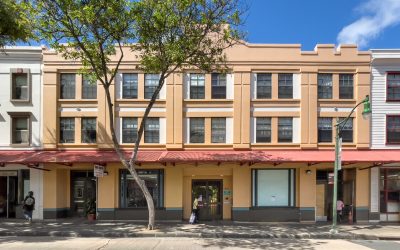
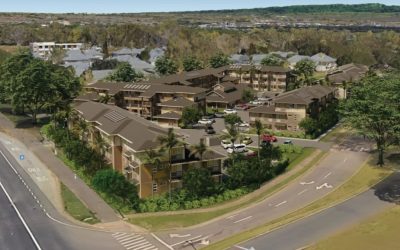
At Hawaii Affordable Properties, Inc. (HAPI), we manage over 4,000 residential units and 94,000 square feet of commercial space across Oahu, Maui, the Big Island, and Kauai. We collaborate with qualified vendors, trade contractors, and service providers statewide to maintain physical building standards, ensure resident safety, and preserve long-term property values.
What Property Managers Look for in Vendor Partners
Property management companies do not select contractors based on the lowest bid alone. When managing thousands of rental units across four main island counties, vendor reliability directly impacts tenant satisfaction, regulatory compliance audits, and annual operating budgets. A maintenance vendor who quotes a slightly lower rate but takes three days to acknowledge an emergency work order creates operational risks that far outweigh any initial cost savings.
According to operational benchmarks from the National Apartment Association (NAA) and the Institute of Real Estate Management (IREM), maintenance and repair expenses typically represent 25% to 35% of overall property operating expenses, averaging $1,200 to $2,500 per unit annually depending on building age and regional labor costs. Property managers vet service providers thoroughly to protect physical assets and ensure full compliance with federal and state housing codes.
Contractors who secure ongoing work demonstrate the capacity to handle consistent volume, maintain high-quality craftsmanship across multiple properties, and submit electronic documentation without requiring constant administrative oversight.
Baseline Requirements Before You Apply
Property management companies enforce strict compliance standards before adding a contractor to their approved vendor list. Meeting these baselines upfront speeds up the onboarding process and prevents immediate application rejection.
1. Valid Business & Trade Licenses
Under Hawaii Revised Statutes (HRS) Chapter 444 enforced by the Hawaii Department of Commerce and Consumer Affairs (DCCA) Contractors License Board, contractors must hold an active Hawaii contractor license for their specific trade along with a Hawaii Department of Taxation (DOTAX) General Excise Tax (GET) license. Forming an LLC or corporation demonstrates operational legitimacy and business stability, signaling to property owners that you run a dedicated enterprise rather than a part-time operation.
2. Insurance Coverage Standards
Insurance gaps represent the primary reason for vendor disqualification across institutional property portfolios. Based on institutional lender risk guidelines and enterprise portal standards, standard coverage minimums include:
- General Liability Insurance: $1,000,000 per occurrence and $2,000,000 general aggregate minimum. Larger institutional properties may require $2,000,000 per occurrence and $4,000,000 aggregate.
- Workers’ Compensation: Mandatory statutory coverage mandated by the Hawaii Department of Labor and Industrial Relations (DLIR) for all businesses employing staff.
- Additional Insured Endorsement: Property management companies and property owners must be explicitly named as additional insureds on certificates of insurance (COI).
3. Digital Readiness and Portal Integration
Modern property management companies utilize enterprise software platforms (such as Yardi, AppFolio, or RealPage) for dispatching work orders and processing digital invoices. Vendors must possess the technological capability to receive work orders electronically, upload before-and-after job photos directly from job sites, and update job completion statuses in real time.
Assembling a Professional Vendor Onboarding Package
A complete onboarding package accelerates approval and demonstrates professional readiness. Submitting partial documentation creates administrative delays and suggests a lack of operational preparation.
Your complete vendor package should include:
- W-9 Form: Signed and dated for the current calendar year.
- Certificate of Insurance (COI): Displaying active coverage limits and precise additional insured wording.
- Commercial References: Contact details for at least three commercial property managers or housing providers who can verify your response times and work quality.
- Service Area & Capability Statement: Outlining specific trade skills, crew capacity, emergency response windows, and island coverage (Oahu, Maui, Big Island, Kauai).
- Flat-Rate Unit Pricing Schedule: Itemized pricing for standard services (such as unit turnover painting, drywall repair, or carpet replacement) helps property managers budget accurately without requesting custom estimates for routine jobs.
Specialized Requirements for Affordable Housing & LIHTC Properties
Low-Income Housing Tax Credit (LIHTC) and HUD-subsidized properties require vendors who understand specialized compliance standards and federal physical inspection protocols.
Vendors working on affordable properties must adhere to:
- Fair Housing Accessibility Rules: Executing physical modifications for residents with disabilities under Americans with Disabilities Act (ADA) and Fair Housing Act guidelines.
- Lead-Based Paint Safety Rules: Following EPA RRP (Renovation, Repair, and Painting) regulations for residential structures constructed prior to 1978.
- NSPIRE Inspection Standards: Ensuring repair work satisfies HUD’s National Standards for the Physical Inspection of Real Estate (NSPIRE) criteria, focusing on immediate health and safety hazards.
Contractors familiar with Low-Income Housing Tax Credit compliance bring significant value to property managers overseeing income-restricted developments, often receiving priority dispatching for specialized turnover and maintenance work orders.
How to Maintain Approved Vendor Status and Expand Revenue
Once onboarded, converting vendor approval into consistent work orders requires ongoing operational discipline and clear communication.
| Operational Best Practice | Impact on Vendor Relationship |
|---|---|
| Rapid Work Order Acknowledgement | Acknowledging dispatch within 2 hours builds manager confidence |
| Complete Photo Documentation | Uploading before, during, and after photos prevents invoice disputes |
| Proactive Timeline Updates | Notifying managers immediately of material or labor delays prevents tenant dissatisfaction |
| Accurate, Itemized Invoicing | Submitting invoices matching approved estimates within 48 hours ensures timely payment |
Trade contractors who demonstrate consistency on single-island properties are often prioritized when property management firms expand vendor coverage to neighbor islands, unlocking broader commercial growth opportunities.
Contractors can explore our regional developments across our Oahu Residential Properties, Big Island Residential Properties, and Maui Residential Properties pages. We also oversee commercial portfolios detailed on our Commercial Properties page.
Frequently Asked Questions (FAQ)
1. What insurance limits are required to become a vendor for Hawaii property management companies?
Most property management companies require a minimum of $1,000,000 per occurrence and $2,000,000 aggregate in commercial general liability insurance, statutory workers’ compensation, and an additional insured endorsement naming the management company and property owners.
2. How are work orders dispatched and managed?
Work orders are dispatched digitally through property management portals (such as Yardi or AppFolio), allowing vendors to view job details, upload completion photos, and submit electronic invoices directly from mobile devices.
3. What payment terms are standard for property management vendor invoices?
Standard payment terms range between Net-14 and Net-30 from the date a complete, itemized invoice accompanied by photo documentation is submitted and approved.
4. Why is photo documentation required for maintenance jobs?
Before, during, and after photos verify that requested repairs were completed according to scope, provide required compliance records for state auditors and property owners, and prevent billing disputes.
5. Do vendors need special certification for affordable housing properties?
While general trade licenses are required for all properties, vendors working on pre-1978 buildings or LIHTC communities benefit significantly from EPA Lead-Safe Certification and familiarity with HUD NSPIRE physical inspection standards.
Partner with Hawaii’s Premier Property Management Firm
Establishing a vendor partnership with an experienced property management firm provides consistent work volume, professional support, and reliable revenue. Hawaii Affordable Properties, Inc. manages over 4,000 residential apartments and 94,000 square feet of commercial space across 33 developments statewide, building long-term relationships with qualified trade contractors.
HAPI: Locally Owned and Trusted Since 1992.