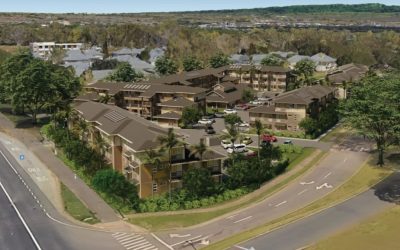
Finding stable, affordable housing as a single mother in Hawaii involves navigating Area Median Income (AMI) guidelines, fluctuating waitlists, and regulatory requirements that vary across Oahu, Maui, the Big Island, and Kauai. Because Hawaii maintains high housing costs, securing income-restricted housing provides vital financial stability for single-parent families.
At Hawaii Affordable Properties, Inc. (HAPI), we oversee Section 42 Low-Income Housing Tax Credit (LIHTC) and HUD-subsidized rental communities across 33 properties statewide. We assist local families and property owners in understanding program eligibility, documentation standards, and housing application procedures.
How to Qualify for Housing Assistance in Hawaii
Federal and state housing assistance programs determine tenant eligibility using Area Median Income figures published annually by the U.S. Department of Housing and Urban Development (HUD) on HUD User Datasets. Qualification depends on gross household income and total family size.
Honolulu County (Oahu) Income Qualification Limits
Under figures enforced by the Hawaii Housing Finance and Development Corporation (HHFDC), income limits for single mothers (such as 2-person or 3-person households) set the baseline for program entry:
| Income Category | 2-Person Household Limit | 3-Person Household Limit | Typical Housing Program |
|---|---|---|---|
| Extremely Low (30% AMI) | $36,960 or below | $41,580 or below | Section 8 Vouchers / Public Housing |
| Very Low (50% AMI) | $61,600 or below | $69,300 or below | Section 8 Vouchers / LIHTC Set-Asides |
| Low Income (60% AMI) | $73,920 or below | $83,160 or below | Standard LIHTC Rental Units |
| Low Income (80% AMI) | $98,560 or below | $110,880 or below | Workforce Housing / Emergency Assistance |
Disclaimer: The income limits listed above are updated based on published HUD and HHFDC Area Median Income guidelines for Honolulu County. Income thresholds are adjusted annually by HUD, vary by island county (Oahu, Maui, Big Island, Kauai), and are subject to final verification by property managers or local housing authorities at the time of formal application.
Income Calculation and Preference Priorities
Housing programs calculate eligibility based on total gross household income before taxes and payroll deductions. Court-ordered child support, alimony, public assistance benefits, and employment wages are included in gross income determinations.
Under guidelines established by local housing authorities, priority preferences on waiting lists are given to specific applicant categories:
- Families experiencing active displacement or homelessness.
- Households paying more than 50% of gross income toward rent.
- Survivors of domestic violence, dating violence, or stalking under the Violence Against Women Act (VAWA).
- Households with military veterans or family members with documented disabilities.
Section 8 Housing Choice Vouchers vs. LIHTC Rentals
Single mothers in Hawaii generally choose between two primary rental assistance structures: tenant-based Section 8 Housing Choice Vouchers and project-based LIHTC rental communities.
| Program Feature | Section 8 Choice Vouchers | Section 42 LIHTC Properties |
|---|---|---|
| Rent Structure | Tenant pays 30% of adjusted gross monthly income | Fixed, below-market rent cap tied to unit AMI set-aside |
| Voucher Mobility | Portable across counties and states after 12 months | Attached directly to the apartment unit |
| Waitlist Status | Administered by county agencies; often closed for long periods | Managed directly by property management offices |
| Search Responsibility | Tenant must find a private landlord who accepts vouchers | Tenant applies directly to an open affordable property |
| Average Wait Time | 2 to 5 years depending on county list availability | 6 to 18 months based on unit turnover |
Section 8 vouchers managed by the Hawaii Public Housing Authority (HPHA) and county housing agencies allow families to select market-rate rentals while subsidizing the remaining balance. However, because voucher lists remain closed periodically across Oahu, Maui, and Kauai, LIHTC properties managed by private companies offer a more accessible pathway to stable housing.
Emergency Housing Relief and Support Programs
When facing immediate housing instability or eviction notices, single mothers should access emergency support mechanisms rather than waiting for long-term voucher lists:
Emergency Rental Grants and Rapid Rehousing
State and county emergency grant initiatives provide short-term rental relief for eligible households at or below 80% AMI who face sudden financial hardship. Emergency Solutions Grants (ESG) funded through HUD support rapid rehousing programs that assist families in transitioning from temporary shelters into permanent rental units within 30 to 90 days. Single mothers in immediate housing distress can dial 211 to reach the local Aloha United Way 211 referral hotline for housing grant connections.
Energy Assistance and Auxiliary Grants
- Low Income Home Energy Assistance Program (LIHEAP): Administered by county community action agencies, LIHEAP provides direct utility bill credits (typically $300 to $600 annually) to help families manage electric and gas costs.
- Charitable Security Deposit Grants: Non-profit organizations across Hawaii provide non-repayable security deposit assistance grants for low-income families moving into permanent affordable rentals.
Interactive Tools for Hawaii Residents and Applicants
Managing family finances and verifying program qualification metrics requires reliable planning tools. We offer web applications to assist prospective residents in evaluating their household budgets:
- Check Income Qualification: Verify your household gross income against current county median limits using the AMI Eligibility Checker.
- Align Paydays with Rent: Coordinate employment pay schedules with monthly rent due dates using the Paycheck Pacer Tool.
- Estimate Island Living Costs: Calculate monthly household utility and food budgets across island counties using the Hawaii Real Cost Budgeter.
- Access Local Housing Relief: Locate emergency financial grants and local family assistance through the Resource Compass.
Action Plan: Step-by-Step Application Guide
Securing income-restricted housing requires organization and proactive communication with property management teams:
- Assemble Required Documentation Upfront: Gather government-issued photo IDs for adult household members, Social Security cards and birth certificates for all children, three consecutive months of pay stubs or benefit statement letters, court custody documentation, and two years of verified landlord references.
- Apply Directly to Multiple LIHTC Communities: Submit rental applications directly to individual LIHTC property management offices across different geographic areas rather than limiting your application to a single site.
- Submit County Housing Authority Applications: Monitor portal updates from the Hawaii Public Housing Authority (HPHA) and county housing agencies for Section 8 Housing Choice Voucher waitlist openings.
- Maintain Updated Contact Details: Notify property management offices immediately whenever your phone number, email address, or physical mailing address changes to avoid missing waitlist notifications.
Explore available rental options on our Oahu Residential Properties, Big Island Residential Properties, and Maui Residential Properties pages.
Frequently Asked Questions (FAQ)
1. Does receiving child support count toward my gross income for housing qualification in Hawaii?
Yes. Gross income calculations include all recurring court-ordered or voluntary child support payments, alimony, employment wages, and public assistance benefits.
2. What happens if a Section 8 waitlist is closed in my county?
When Section 8 voucher waitlists are closed, single mothers should apply directly to Low-Income Housing Tax Credit (LIHTC) apartment communities, which manage independent property-level waitlists and remain open for applications continuously.
3. Can I apply for housing assistance if I do not have formal legal custody papers for my children?
Yes. If formal court custody documents are unavailable, housing authorities and LIHTC property managers frequently accept alternative third-party documentation, such as school enrollment records, medical records, or tax return dependency declarations.
4. Are security deposits covered by Section 8 vouchers in Hawaii?
No. Section 8 vouchers cover monthly rental subsidies. Security deposits must be paid by the tenant or covered through separate charitable hardship grants, such as those provided by local non-profit organisations.
5. How often must my household income be recertified in affordable housing?
Federal regulations require property managers to verify household income, assets, and household composition prior to initial move-in and at least once every 12 months thereafter.
Partner with Hawaii’s Experienced Housing Leader
Navigating affordable housing applications, income verification rules, and property waitlists requires dedicated support. Hawaii Affordable Properties, Inc. manages over 4,000 residential apartments across 33 properties statewide, supporting local families with housing options.
HAPI: Locally Owned and Trusted Since 1992.