Accepting Housing Choice Vouchers opens your rental property to a wide pool of local applicants, many of whom face difficulty finding landlords willing to participate in assistance programs. Landlord hesitation often stems from misunderstandings about administrative paperwork and property inspection standards.
The reality is that voucher programs offer dependable monthly income, with the local Public Housing Authority paying its designated portion directly to your bank account every month.
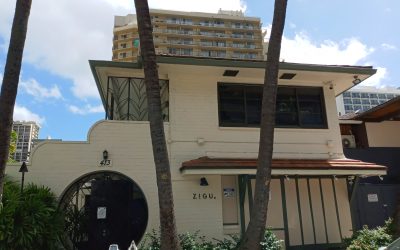
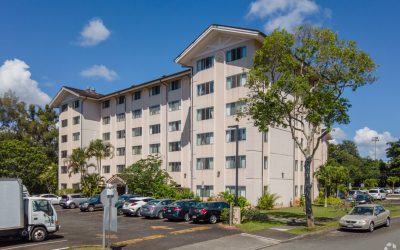
At Hawaii Affordable Properties, Inc., we manage over 4,000 residential apartments across Oahu, Maui, the Big Island, and Kauai. We assist property owners and housing providers in managing Section 8 participation, housing inspections, and regulatory compliance across the Hawaiian Islands.
What Housing Choice Vouchers Mean for Your Rental Income
The Housing Choice Voucher program, commonly known as Section 8, splits monthly rent payments between the resident and the local housing agency. The tenant pays approximately 30% of their adjusted gross monthly income, while the housing authority covers the remaining balance up to local limits.
This three-party framework creates clear operational responsibilities:
- Landlord Responsibility: Maintain physical property standards, perform repairs, and enforce lease terms.
- Tenant Responsibility: Pay their assigned monthly rent portion on time and care for the premises.
- Housing Authority Responsibility: Verify tenant eligibility, conduct property inspections, and disburse housing subsidy payments directly to the property manager or owner.
Housing authorities across Hawaii serve thousands of local households through rental assistance programs. Participating in voucher programs provides property owners with consistent, government-backed income streams while maintaining high occupancy rates across Oahu Residential Properties, Big Island Residential Properties, and Maui Residential Properties.
Preparing Your Property for Housing Quality Standards (HQS) Inspections
Before a housing authority approves your lease agreement, your property must pass a Housing Quality Standards (HQS) inspection. The inspection verifies health, safety, and general habitability.
Common Physical Inspection Requirements
- Smoke Detectors: Fully operational smoke alarms installed in every bedroom and adjacent hallways.
- Electrical Outlets: Ground Fault Circuit Interrupter (GFCI) outlets installed near water sources in kitchens and bathrooms.
- Stairway Safety: Secure handrails on all stairways featuring four or more steps.
- Window Locks: Operational locks on all ground-accessible windows.
- Water Heater Safety: Temperature relief valve piping correctly routed and water temperature capped appropriately.
- Paint Condition: Intact paint surfaces without peeling or flaking, particularly in pre-1978 properties.
If an initial inspection reveals minor deficiencies, housing authorities typically allow up to 30 days to complete repairs and schedule a re-inspection. Completing a walkthrough prior to the official visit ensures a smooth approval process.
Pricing Your Rental Unit Within Payment Standards
Housing authorities establish maximum payment standards by bedroom count based on HUD Fair Market Rent calculations for each county. Your asking rent must align with these published thresholds and pass a rent reasonableness evaluation.
Rent Reasonableness Evaluation Criteria
Rent Reasonableness = Comparing asking rent against unassisted market-rate rentals based on location, unit size, age, amenities, and included utilities.
| Island / County | Average Market Rent Benchmark | Payment Standard Alignment | Primary Housing Authority |
|---|---|---|---|
| Honolulu County (Oahu) | Urban Metro Limits | High Demand / Metro Standard | City and County of Honolulu / HPHA |
| Hawaii County (Big Island) | Rural & Town Tiers | Island Regional Standard | County of Hawaii Housing Agency |
| Maui County (Maui) | High Coastal Demand | Island Regional Standard | County of Maui Housing Division |
| Kauai County (Kauai) | Rural & Resort Tiers | Island Regional Standard | Kauai County Housing Agency |
Note: Specific payment standards adjust annually by county and bedroom configuration. Contact local housing agencies for exact current limits.
Setting your rent within local payment standards streamlines approval and prevents out-of-pocket rent burdens for voucher holders.
Interactive Tools for Landlords and Property Managers
Evaluating tenant applications, utility allowances, and monthly payment schedules requires accurate record-keeping. We offer interactive web tools to help property managers and applicants plan monthly finances:
| HAPI Web Tool | Core Function & Primary Purpose | Target Application |
|---|---|---|
| AMI Eligibility Checker | Estimate household income categories and program thresholds before starting lease verification. | Income Eligibility & Verification |
| Paycheck Pacer Tool | Help residents align work paydays with monthly rent due dates. | Rental Cash Flow Planning |
| Hawaii Real Cost Budgeter | Calculate island utility expectations when establishing net tenant rent. | Utility Allowance Estimation |
| Resource Compass | Direct applicants to local rental assistance programs and community housing services. | Tenant & Resident Support |
Annual Inspections, Rent Adjustments, and Compliance
To maintain active voucher participation, property managers must fulfill recurring administrative requirements:
- Annual or Biennial Inspections: Housing authorities re-inspect units periodically to ensure ongoing habitability standards.
- Rent Adjustment Requests: You can request rent increases annually by submitting written notice 60 days before lease renewal. The housing authority evaluates the request against current market comparables.
- Reporting Obligations: Notify the housing authority promptly if a tenant vacates the property or breaches major lease covenants.
Managing commercial spaces alongside residential communities helps support local neighborhoods. Explore our commercial properties on our Commercial Properties page.
Source-of-Income Rules and Fair Housing Compliance
Fair housing rules at state and local levels prohibit discrimination based on an applicant’s source of income, including housing vouchers. Property owners should evaluate voucher holders using the same standard criteria applied to all applicants, such as background checks, rental history, and total household income including the voucher subsidy.
Screening all applicants consistently ensures fair housing compliance while opening your property to reliable, long-term tenants.
Frequently Asked Questions (FAQ)
1. Can I collect a security deposit from a voucher tenant?
Yes. Landlords can collect a security deposit. The deposit amount is subject to Hawaii state law limitations and is typically paid directly by the tenant or through local assistance programs.
2. What happens if a voucher tenant fails to pay their portion of the rent?
If a tenant fails to pay their individual share of the rent, you can enforce standard lease remedies under Hawaii landlord-tenant law. The housing authority continues to pay its direct portion while you address the tenant’s unpaid share.
3. Who pays for utilities in a voucher rental unit?
Utility responsibilities are defined in the lease agreement and RFTA form. If the tenant pays for utilities, the housing authority deducts a standardized utility allowance from the maximum gross rent calculation.
4. How long does the approval process take after submitting an RFTA?
Processing times vary by housing authority, but most RFTA reviews and HQS inspections are completed within 10 to 20 business days.
5. Does accepting a voucher tenant limit my ability to sell the property?
No. Selling a property does not conflict with voucher rules, though existing lease terms and HAP contract obligations transfer to the new property owner upon sale.
Partner with Hawaii’s Trusted Management Team
Hawaii Affordable Properties, Inc. is locally owned and operated in Hawaii, managing over 4,000 apartments across 33 projects statewide since 1992.
Contact our management team today to learn how we streamline Section 8 participation, handle HQS inspections, and protect your rental income.
HAPI: Locally Owned and Trusted Since 1992.