Finding reliable rental assistance across Hawaii requires understanding how state programs, federal vouchers, and privately managed affordable communities interact. Misconceptions about application rules, funding sources, and program eligibility can lead to missed opportunities for local families seeking long-term housing stability.
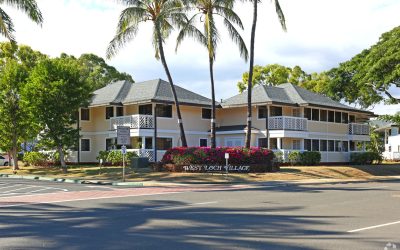
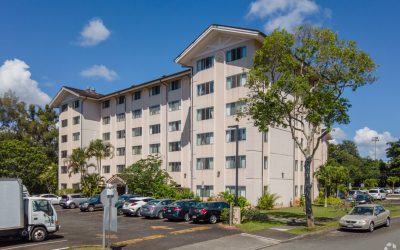
At Hawaii Affordable Properties, Inc. (HAPI), we manage over 4,000 residential apartments across Oahu, Maui, the Big Island, and Kauai. We assist local families, applicants, and property owners in navigating rental assistance options, HUD income guidelines, and application rules across all four major island counties.
Understanding Housing Vouchers in Hawaii
Rental assistance programs across the Hawaiian Islands fall into distinct categories managed by different state, county, and federal entities. Identifying how these programs differ helps you choose the right path for your housing search and avoid delays in securing an apartment.
| Program Type | Description |
|---|---|
| Section 8 Vouchers | Portable subsidy used with private landlords |
| Public Housing | Government-owned units managed by HPHA |
| LIHTC Communities | Privately owned properties with capped rent tiers |
| State Supplement | Target assistance for seniors and disabled |
Key Differences Between Assistance Models
- Funding Source: Federal housing programs rely directly on U.S. Department of Housing and Urban Development (HUD) appropriations. State-funded options like the Hawaii Rent Supplement Program receive funding through state legislative budget allocations administered by the Hawaii Housing Finance and Development Corporation (HHFDC).
- Property Administration: Section 8 Housing Choice Vouchers offer a portable rental subsidy that residents carry to qualifying private landlords. Conversely, Low-Income Housing Tax Credit (LIHTC) properties tie affordability covenants directly to specific apartment units within designated communities.
- Waitlist Management: Public housing developments managed by the Hawaii Public Housing Authority (HPHA) and county voucher programs maintain centralized government intake queues. LIHTC developments operate independent, site-specific waitlists for individual properties.
Household Eligibility and Income Thresholds
Program qualification centers on household gross income evaluated against county Area Median Income (AMI) guidelines published annually by HUD User Datasets. Income limits vary across Hawaii’s four counties due to regional differences in wages and living costs.
County Household Income Thresholds (Standard Baselines)
| Hawaii County / Island | 30% AMI (Extremely Low) | 50% AMI (Very Low) | 60% AMI (Low Income) | 100% AMI (Median) |
|---|---|---|---|---|
| Honolulu County (Oahu) | $29,650 | $49,400 | $59,280 | $98,800 |
| Maui County (Maui) | $26,100 | $43,500 | $52,200 | $87,000 |
| Hawaii County (Big Island) | $23,500 | $39,200 | $47,040 | $78,400 |
| Kauai County (Kauai) | $25,100 | $41,800 | $50,160 | $83,600 |
Note: Baseline calculations illustrate 1-person household reference targets. County thresholds adjust annually based on federal updates and household size.
Calculating annual household gross income requires documenting all financial streams across adult household members:
- Earned employment income, including regular wages, tips, overtime pay, and bonuses.
- Social Security benefits, retirement pensions, alimony, and disability compensation.
- Checking and savings account interest, along with investment returns for assets exceeding program thresholds.
Interactive Tools for Applicants and Residents
Calculating household eligibility and planning rental finances requires reliable calculations. We offer interactive web tools to assist local applicants in evaluating their monthly budget and program qualification:
- Income Eligibility Verification: Estimate your baseline income tier relative to county guidelines before starting your application with our AMI Eligibility Checker.
- Rental Income Scheduling: Align your employment paydays with monthly rental due dates using the Paycheck Pacer Tool.
- Island Expense Planning: Calculate monthly household utility expectations and food costs when budgeting for rent using the Hawaii Real Cost Budgeter.
- Community Relief Directory: Connect with local housing assistance programs, emergency relief services, and community grants via the Resource Compass.
Step-by-Step Application Guide for Rental Assistance
Securing rental housing through assistance programs involves direct operational steps depending on whether you apply for government vouchers or tax credit apartments:
- Verify Open Waitlists: Check registration status updates with county housing agencies or individual property management offices across your target islands.
- Gather Identification Documents: Collect valid government photo IDs, Social Security cards, birth certificates, and 12 months of consecutive income records.
- Submit Application Records: Complete official intake forms accurately during open registration periods to ensure your spot on the queue.
- Complete File Verification: Attend a mandatory screening interview with property managers or housing specialists to verify household income, assets, and background documentation.
- Review Lease Agreement Terms: Sign formal lease covenants detailing monthly tenant rent obligations and property rules once compliance eligibility is approved.
Beyond multi-family apartments, supporting island neighborhoods requires commercial spaces for local services and businesses. View our commercial listings on our Commercial Properties page.
Finding Housing with LIHTC Properties
Waitlists for centralized government vouchers can extend over long periods due to high demand across Hawaii. Exploring privately managed LIHTC communities offers a practical path to securing stable, high-quality housing sooner.
Properties managed by experienced local teams provide several operational advantages:
- Site-Specific Queues: Individual developments maintain separate waitlists, resulting in faster applicant turnover compared to centralized housing authority lists.
- Multi-Island Coverage: Rental opportunities span urban centers and rural developments across Oahu Residential Properties, Big Island Residential Properties, and Maui Residential Properties.
- Fixed Rent Schedules: Monthly rents are capped based on property-specific AMI targets rather than recalculating monthly with every change in your paycheck.
Frequently Asked Questions (FAQ)
1. What is the main difference between Section 8 vouchers and LIHTC properties?
Section 8 offers a portable rental subsidy that moves with the tenant to any participating private landlord. LIHTC properties offer specific units with capped below-market rents, requiring direct applications to individual site management offices.
2. How is Area Median Income (AMI) calculated in Hawaii?
HUD calculates local AMI levels annually based on household sizes and county economic data. Because wages and living expenses vary by island, threshold figures differ across Oahu, Maui, Kauai, and the Big Island.
3. Will my rent increase automatically if my income rises at a LIHTC property?
No. LIHTC rents are fixed based on property-specific AMI limits rather than fluctuating monthly with tenant earnings. Moderate income increases after move-in will not cause sudden rent spikes or lead to eviction.
4. Can full-time college students qualify for affordable housing?
Full-time students must meet specific HUD exemption criteria to qualify. Valid exemptions include being a single parent with dependent children, married, a military veteran, or enrolled in government-sponsored job training programs.
5. How long are waitlists for properties managed by Hawaii Affordable Properties?
Waitlist durations vary by location, unit size, and turnover rates. Because LIHTC developments maintain site-specific waitlists, placement often moves faster compared to centralized housing authority lists.
Explore Available Housing Across Hawaii
Navigating rental assistance programs takes clear information and the right property management partner. Hawaii Affordable Properties, Inc. manages over 4,000 apartments across 33 developments statewide, offering clean, safe, and affordable living options for local island families.
HAPI: Locally Owned and Trusted Since 1992.