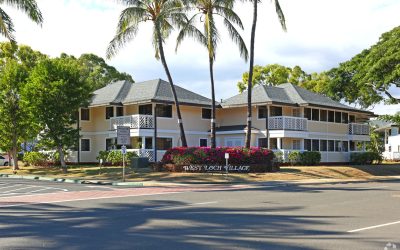
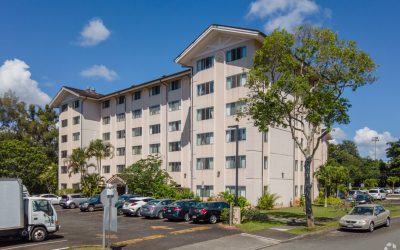
Developing and operating multi-family rental properties across rural Hawaii requires specialized regulatory knowledge. While major metropolitan markets on Oahu attract large institutional capital, rural communities across Hawaii County, Maui County, Kauai County, and rural Honolulu County depend heavily on federal programs established by the United States Department of Agriculture Rural Development division.
Among these initiatives, the USDA Section 515 Rural Rental Housing program provides critical direct loans to build and preserve affordable rental housing for low-income families, kupuna, agricultural workers, and individuals living with disabilities in designated rural districts.
However, managing Section 515 properties on neighbor islands comes with distinct operational hurdles. Distance from central government offices, localized economic conditions, strict budget approval cycles, and complex tenant eligibility rules can complicate everyday operations for non-profit housing boards, private owners, municipal authorities, and institutional lenders.
When Section 515 properties experience high vacancy rates or unresolved compliance findings, property owners risk losing Section 521 Rental Assistance allocations, damaging their financial standing, and jeopardizing vital housing resources for rural residents.
At Hawaii Affordable Properties, Inc., our specialized rural management department oversees USDA-financed portfolios across the Big Island, Maui, Kauai, and Molokai to maintain full occupancy and protect capital returns.
This guide details the operational mechanics of USDA Section 515 housing, outlines strategies to maximize tenant occupancy on neighbor islands, details financial controls, provides portfolio management tools, and answers top owner questions.
The Mechanics of USDA Section 515 and Section 521 Rental Assistance
Understanding how USDA Rural Development programs operate requires examining how property debt service connects with tenant rental subsidies.
Under Section 515 regulations, properties operate under a specific dual-rent structure:
- Basic Rent: The minimum monthly rent required to cover operating expenses and service the property’s low-interest USDA direct loan.
- Note Rate Market Rent: The higher monthly rent calculation based on standard market debt service without interest subsidies.
To keep Basic Rent affordable for very-low-income households, the USDA pairs Section 515 properties with Section 521 Rental Assistance (RA). Under Section 521 rules, a qualified resident pays exactly thirty percent of their adjusted monthly income toward rent, while the federal government pays the remaining balance directly to the property partnership.
Tenant Rent Contribution = Adjusted Monthly Income × 0.30
If a property lacks sufficient Section 521 Rental Assistance units, low-income tenants must pay the full Basic Rent out of pocket. For rural families living on fixed incomes, paying unassisted Basic Rent can create severe financial strain, increasing tenant turnover and vacancy risks for the property.
Neighbor Island Operational Challenges for Section 515 Properties
Operating rural housing across neighbor island districts presents logistical obstacles that urban properties rarely encounter.
Property owners and housing boards must manage four primary operational vulnerabilities:
- Geographic Isolation and Vendor Scarcity: Locating licensed contractors, plumbers, electricians, and elevator technicians in remote rural districts like Ka’u, Hana, Waimea, or Molokai can take weeks. Delayed repairs lead to extended unit turnover times, increasing vacancy losses.
- Strict USDA Budget Approval Mandates: Unlike conventional properties, USDA Section 515 developments must submit detailed annual operating budgets, reserve expenditure requests, and rent change applications directly to state USDA officials for formal approval prior to implementation.
- HOTMA Integration Across Rural Rules: The implementation of Housing Opportunity Through Modernization Act guidelines requires compliance officers to reconcile USDA income rules with federal HUD regulations, including updated asset verification standards and medical expense deductions.
- Managing Rental Assistance Allocations: Section 521 Rental Assistance units are capped per property contract. When a tenant’s income increases and they no longer require Rental Assistance, management must immediately reassign that subsidy to another qualified, unassisted household within the property to avoid losing the allocation.
Addressing these challenges requires a dedicated local management team with deep knowledge of USDA Rural Development regulations.
Strategies to Maximize Occupancy and Reduce Unit Turnover
Maintaining high occupancy across neighbor island properties requires proactive waitlist management, efficient unit restoration protocols, and active community outreach.
Property owners should implement four core management strategies:
1. Continuous Rural Waitlist Maintenance
Because rural population pools are smaller than urban centers, property waitlists can deplete quickly if not managed actively. Leasing teams must conduct quarterly waitlist contact updates, verify applicant contact information, and prescreen local households before vacancies occur.
2. Rapid Unit Turnover Protocols
When a tenant vacates a unit, every day of downtime represents lost rental revenue. Rural managers should establish pre-negotiated contracts with local maintenance vendors and maintain stocked on-site inventory for essential replacement items like lighting fixtures, cabinet hardware, door locks, and plumbing valves.
3. Strategic Reassignment of Section 521 Rental Assistance
Compliance officers must audit household income changes monthly. When an existing tenant achieves financial independence and transitions off Rental Assistance, the subsidy must be transferred immediately to an eligible unassisted household on site, improving property cash flow while reducing rent burdens for low-income residents.
4. Local Community Partner Engagement
Building strong referral pipelines with local non-profit organizations, senior centers, agricultural co-ops, municipal housing agencies, and regional health clinics ensures that open waiting list announcements reach qualified rural families quickly.
Rural Portfolio Management Matrix for Neighbor Islands
The table below outlines operational risks facing USDA Section 515 properties alongside mandatory management controls:
USDA Section 515 Property Performance Matrix
| Operational Focus Area | Primary Compliance Risk | Financial & Legal Consequence | Mandatory Management Protocol |
|---|---|---|---|
| Rental Assistance Use | Unused Section 521 RA units. | De-obligation of federal subsidy funds by USDA. | Monthly audit of RA utilization logs and immediate internal reassignments. |
| Unit Turnaround Time | Extended vacancy periods over 30 days. | Prolonged loss of Basic Rent revenue. | Pre-staged maintenance supplies and local vendor service level agreements. |
| Annual Budget Filings | Late submittal of USDA Form RD 3560-7. | Freeze on reserve account withdrawals and management fees. | Automated budget preparation cycle initiated 120 days prior to fiscal year end. |
| HOTMA Asset Audits | Incorrect liquid asset calculations. | Administrative audit findings during USDA supervisory reviews. | Mandatory second-eye file reviews for all tenant income certifications. |
Implementing these management controls preserves property revenue while ensuring full compliance with USDA standards.
Portfolio Compliance and Analysis Tools for Owners
Developers, non-profit boards, and asset managers operating USDA portfolios can utilize HAPI’s digital tools to evaluate portfolio metrics and track operational performance:
How Professional Property Management Preserves Rural Assets
Managing USDA Section 515 housing requires a physical presence on the neighbor islands paired with specialized knowledge of federal rural housing programs.
Hawaii Affordable Properties, Inc. protects rural assets for property owners through four core operational controls:
- Dedicated Neighbor Island Offices: We maintain physical regional offices and local staff across the Big Island, Maui, Kauai, and Molokai, ensuring rapid response times for maintenance needs and local tenant relations.
- Certified USDA Compliance Specialists: Our compliance department maintains specialized designations in Rural Development regulations, managing complex monthly accounting reconciliation reports and annual budget submissions directly with USDA officials.
- Proactive Physical Maintenance Programs: We conduct regular physical property inspections to identify maintenance needs early, protecting building structures from humidity, ocean air, and heavy tropical rain.
- Transparent Owner Reporting: We provide comprehensive monthly financial statements, vacancy logs, and reserve account updates, giving housing boards and property owners full visibility into asset performance.
Partnering with an experienced rural management firm preserves your property’s financial health, maintains high occupancy, and ensures long-term compliance with USDA Rural Development mandates.
Frequently Asked Questions
1. How does USDA Section 521 Rental Assistance differ from HUD Section 8 vouchers?
USDA Section 521 Rental Assistance is tied directly to a specific rural property and administered through USDA Rural Development. Unlike portable Section 8 vouchers that tenants carry between private rentals, Section 521 subsidies stay with the Section 515 building and are assigned to eligible households residing on site.
2. What happens if a USDA Section 515 property loses its Rental Assistance allocations?
If a property fails to utilize its allocated Section 521 Rental Assistance units, the USDA can reallocate those unused subsidies to other properties in need. Losing RA units increases tenant rent burdens, raises vacancy risks, and reduces overall property operating revenue.
3. Who is eligible to live in a USDA Section 515 rural rental development?
Eligibility is restricted to low-income and very-low-income families, elderly households aged 62 and older, and individuals living with disabilities. Household income must fall below USDA income limits established for the specific rural county.
4. How does HOTMA alter income calculations for USDA Rural Development properties?
HOTMA aligns USDA asset and income rules with HUD regulations. Compliance managers must evaluate net liquid assets against the $100,000 threshold, apply updated medical expense deduction rules, and conduct standardized annual recertifications across all household members.
5. Why are annual budget approvals so critical for USDA Section 515 properties?
The USDA requires property owners to submit Form RD 3560-7 for formal approval prior to the start of each fiscal year. Failing to secure timely budget approvals can result in frozen reserve accounts, blocked rent adjustments, and formal non-compliance notices from federal officials.
Preserve Your Rural Portfolio with HAPI
Maintaining high occupancy and regulatory compliance across neighbor island rural housing requires an experienced, locally grounded management partner. Hawaii Affordable Properties, Inc. is locally owned and operated in Hawaii, managing over 4,000 apartments across 33 projects statewide since 1992.
Contact our executive team today to request a rural portfolio evaluation, review compliance readiness, and request a custom management proposal.
HAPI: Locally Owned and Trusted Since 1992.