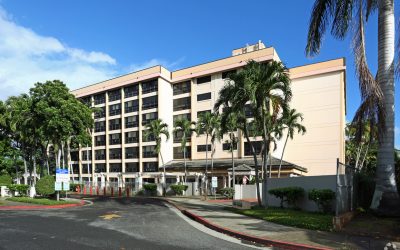
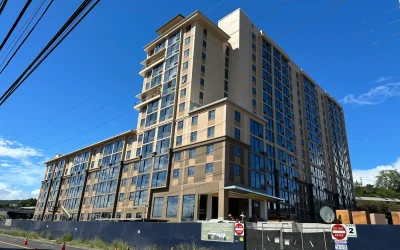
If you are a Hawaii senior aged 62 or older and are currently spending more than half of your monthly income on rent, you are part of a growing national demographic. According to recent demographic reviews, over 2.8 million senior households across the United States are classified as severely housing cost-burdened.
In 2026, the average monthly Social Security benefit sits at approximately $1,976. In contrast, a modest one-bedroom apartment in Hawaii commands an average market-rate rent ranging from $1,425 to $1,739 per month, depending on which island you call home.
This narrow margin leaves our kupuna with virtually no financial breathing room to pay for groceries, vital medications, or utilities.
Government-subsidized housing assistance programs exist specifically to close this gap, ensuring that local seniors do not have to choose between their health and their homes. However, navigating the overlapping requirements of different state, county, and federal programs can be confusing.
This comprehensive 2026 guide explains how subsidized housing programs operate across Hawaii, details county-specific income limits, and provides a strategic roadmap to help you navigate applications and minimize waitlist delays.
Understanding Subsidized Housing Programs and Income Qualifications
Subsidized housing is an umbrella term for properties that receive federal, state, or county funding to make rent affordable for low-to-moderate-income households. The foundational rule across most of these subsidized programs is the 30% Rent Rule: you pay roughly 30% of your adjusted monthly income toward housing costs, and the subsidy covers the remaining balance.
Capped Monthly Senior Rent = Adjusted Monthly Income × 0.30
In Hawaii, three primary program types serve low-income seniors, each operating under distinct structural guidelines:
- Public Housing: Apartment complexes owned and operated directly by the government via the state housing authority, with rents tied directly to 30% of your actual income.
- Housing Choice Vouchers (Section 8): Portable subsidies that allow you to rent from private landlords who accept vouchers, with the federal government covering the rental balance.
- Low-Income Housing Tax Credit (LIHTC) Properties: Privately owned, professionally managed apartment buildings that offer below-market, flat-rate rents restricted to specific income tiers.
2026 Area Median Income (AMI) Thresholds for Hawaii Kupuna
To qualify for these programs, your total gross household income must fall below specific limits set annually by HUD. The table below represents the active 2026 income limits for a single-person senior household across Hawaii’s counties:
2026 Single-Person Senior Income Limits
| County Jurisdiction | 30% AMI (Extremely Low) | 50% AMI (Very Low) | 60% AMI (Workforce Tier) |
|---|---|---|---|
| Honolulu County (Oahu) | ~$28,290 | ~$46,550 | ~$55,860 |
| Maui County | ~$25,380 | ~$42,300 | ~$50,760 |
| Kauai County | ~$24,720 | ~$41,200 | ~$49,440 |
| Hawaii County (Big Island) | ~$22,860 | ~$38,100 | ~$45,720 |
Data metrics track active 2026 HUD and Hawaii Housing Finance & Development Corporation (HHFDC) schedules. To check larger household limits, access our interactive AMI Eligibility Checker.
The Impact of HOTMA Deductions for Elderly Households
Under current HOTMA (Housing Opportunity Through Modernization Act) guidelines, seniors receive specialized deductions to improve their eligibility. For elderly (62+) or disabled households, medical expenses that exceed 3% of your gross annual income are deducted from your earnings. This lowers your “adjusted gross income,” which directly reduces your monthly rent contribution.
Section 8 Vouchers: Flexibility Across Hawaii’s Islands
The Section 8 Housing Choice Voucher program offers maximum residential flexibility. Once a local housing authority awards you a voucher, you select a private rental unit that meets federal safety guidelines, and the program pays the landlord directly for the portion exceeding 30% of your adjusted income.
For example, in Honolulu, where the Fair Market Rent for a one-bedroom apartment is $1,739 per month, a senior earning a fixed monthly income of $1,500 would pay exactly $450, while the voucher covers the remaining $1,289.
The Realities of the Section 8 Search
The primary hurdle of the Section 8 program is waitlist availability. The Hawaii Public Housing Authority (HPHA) and county agencies report waiting times of three to five years, and many island-specific voucher lists are closed indefinitely to new applicants.
However, once you are issued a voucher, seniors experience high success rates in securing a lease because property owners view Social Security and pension benefits as highly stable revenue streams. Furthermore, under Hawaii Revised Statutes §515, source of income discrimination is explicitly illegal across all islands, meaning landlords cannot refuse your application simply because you hold a Section 8 voucher.
Voucher Portability Rights
After renting in your initial county for at least 12 months, Section 8 vouchers are portable. This allows you to transfer your assistance to another island county or even to the mainland, helping you relocate closer to family or medical facilities as your needs change.
LIHTC and Public Housing: Fixed-Location Affordable Apartments
If you prefer the certainty of a specific, pre-qualified building over the private landlord search that vouchers require, project-based housing offers an excellent path.
Comparing Rent Structures
- Public Housing (HPHA): The state operates approximately 6,100 public housing units, with roughly 35% designated specifically for seniors or individuals with disabilities. Rent is strictly tied to 30% of your actual income, which protects you if your income experiences a sudden decline.
- LIHTC Communities: Privately owned properties that receive tax credits in exchange for keeping rents affordable. Rents are set as flat, capped rates based on targeted AMI tiers (such as 50% or 60% AMI). For example, a senior-restricted studio apartment might feature a flat rent of $900 per month. This structure provides excellent long-term budget predictability for seniors on stable pensions.
The Health Benefits of Senior-Restricted Communities
Living in a dedicated, age-restricted community (such as HUD Section 202 developments) offers a quiet, supportive environment. These properties feature physical accessibility elements—such as wide doorways, elevators, and bathroom grab bars—paired with social common areas to prevent isolation and foster a strong sense of community.
Hawaii Affordable Properties, Inc. (HAPI) has managed affordable senior and family portfolios across the islands since 1992. Our regional leasing teams maintain deep roots in the local communities, helping our residents connect with on-island resources like meal programs, senior transit networks, and healthcare coordinators.
USDA Programs for Rural Homeowners and Renters
For seniors residing on the neighbor islands (the Big Island, Kauai, and rural Maui), the United States Department of Agriculture (USDA) Rural Development division offers specialized housing support.
1. The USDA Section 504 Home Repair Program
If you own a home in a designated rural area and require safety repairs to help you age in place, the Section 504 program provides direct financial assistance for seniors aged 62 and older earning below 50% AMI:
- Direct Grants: Up to $7,500 in lifetime grants to install safety features like wheelchair ramps, widened doorways, walk-in showers, or to repair aging roofs and plumbing systems. Grants do not require repayment unless you sell the property within three years.
- Low-Interest Loans: Up to $40,000 in home repair loans amortized over 20 years at a fixed 1% interest rate.
2. USDA Section 515 Rural Rental Housing
The Section 515 program finances modern, low-density multi-family properties in rural island communities. When paired with Section 521 Rental Assistance, these properties function similarly to Section 202 senior housing, capping a resident’s monthly rent contribution at 30% of their adjusted income. Because these properties are situated outside high-density urban zones, their waiting lists are often significantly shorter.
Applying Strategically: Maximizing Your Chances of Placement
Because affordable senior apartments are in high demand, housing specialists recommend implementing a strategic approach to your search:
- Apply to Multiple Waitlists: Waitlists are managed individually by property. To improve your chances, submit applications to HPHA for public housing, individual senior-restricted LIHTC developments, and USDA rural properties simultaneously. You can decline any lease offers that do not meet your final needs without facing penalties.
- Leverage Preference Points: Most housing programs utilize a point-based preference system to prioritize applications. You can move up lists faster if you are a veteran, currently experiencing literal homelessness, facing emergency displacement due to a natural disaster, or are a local county resident. Ensure you provide complete documentation of these statuses when you apply.
- Prepare Your Document Checklist: Incomplete files are the primary cause of processing delays. Gather your government-issued ID, Social Security card, your certified 2026 Social Security Award Letter, three months of bank statements, and previous landlord references before submitting your packet.
To plan your upcoming relocation expenses and map out security deposits, utilize our interactive planning resources:
Secure Your Peace of Mind with a Local Partner
Navigating Hawaii’s subsidized housing programs requires patience and careful preparation, but the long-term stability it provides for our kupuna is invaluable.
Since 1992, HAPI has been locally owned and operated in Hawaii, serving over 10,000 residents across Oahu, Maui, Kauai, and the Big Island. Our team of 200+ on-island housing specialists is dedicated to guiding you through every step of your application with aloha, ensuring your housing status remains secure. Contact our leasing offices today to speak with a local specialist and find a community where you can afford to live—and thrive.