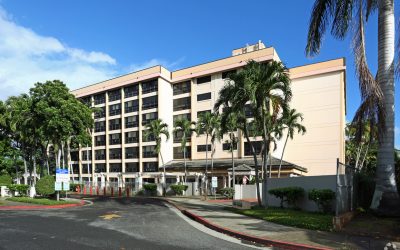
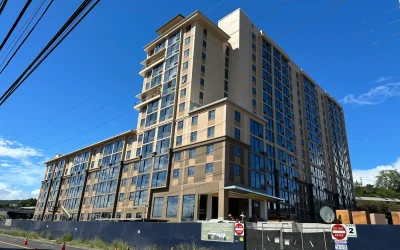
The Garden Isle presents a distinct housing environment shaped by strict geographical limits and land preservation laws. Kauai restricts building heights to the height of a mature coconut tree, preserving the natural skyline while concentrating residential development within specific town boundaries. Because large portions of the island remain dedicated to state parks, watershed protection, and agricultural preservation, vacant residential land remains exceptionally scarce.
As a result, working families on Kauai face intense competition for a limited pool of rental properties. Resort developments in Poipu and Princeville draw significant numbers of service employees, while Lihue functions as the island seat for healthcare, government, and aviation jobs. When private market rents in Kapaa or Lihue climb well beyond local paycheck averages, securing a deed-restricted affordable apartment provides essential financial protection.
Hawaii Affordable Properties, Inc. operates income-capped rental communities on Kauai designed for workforce families, kupuna, and individuals living on fixed monthly benefits. Whether you need an apartment near central commercial amenities in Lihue or a rural USDA-subsidized unit in outlying agricultural districts, understanding county Area Median Income limits is your primary step toward securing a lease.
This guide outlines active 2026 Kauai County income thresholds, explains rural USDA development programs alongside tax credit options, and provides a clear application roadmap for Garden Isle residents.
2026 Income Limits for Kauai County
To qualify for an affordable rental on Kauai, your gross annual household income must fall below limits set annually by the U.S. Department of Housing and Urban Development. Federal guidelines evaluate Kauai County independently from Oahu, Maui, or Hawaii Island to reflect local wage metrics.
Household eligibility is grouped into specific Area Median Income tiers. Review the 2026 Kauai County gross annual income caps below to identify where your household fits:
2026 Kauai County Gross Annual Income Limits
| Household Size | 30% AMI (Extremely Low) | 50% AMI (Very Low) | 60% AMI (Workforce Tier) | 80% AMI (Low Income) |
|---|---|---|---|---|
| 1 Person | ~$24,720 | ~$41,200 | ~$49,440 | ~$65,920 |
| 2 People | ~$28,260 | ~$47,100 | ~$56,520 | ~$75,360 |
| 3 People | ~$31,800 | ~$53,000 | ~$63,600 | ~$84,780 |
| 4 People | ~$35,310 | ~$58,850 | ~$70,620 | ~$94,160 |
Different local workforce sectors across Kauai fit into these specific income brackets:
- 30% AMI Tier: Entry-level farm workers, part-time retail staff, kupuna relying on Social Security, and individuals receiving fixed disability benefits.
- 50% AMI Tier: Full-time retail associates, office administrative clerks, bank tellers, and food service staff.
- 60% AMI Tier: Hotel service staff, maintenance technicians, commercial drivers, and skilled trades apprentices in resort corridors.
- 80% AMI Tier: Healthcare aides, municipal employees, public school support staff, and emergency service workers.
Calculate exact household brackets for larger families using the HAPI AMI Eligibility Checker.
HOTMA Compliance and Asset Regulations
Under Housing Opportunity Through Modernization Act federal regulations, property managers audit all recurring income sources for adult household members aged 18 and older.
For Kauai applicants, income verification covers four main categories:
- Base Salary and Wages: Pay stubs covering recent pay periods for full-time, part-time, temporary, or seasonal work.
- Tip and Overtime Earnings: Documented averages for cash tips, regular overtime earnings, performance bonuses, and shift premiums.
- Fixed Income Statements: Benefit award statements for Social Security, pensions, disability payouts, or court-ordered child support.
- Liquid Asset Thresholds: Households holding over $100,000 in net liquid assets do not qualify for subsidized housing under federal law. This restriction excludes formal retirement accounts or verified irrevocable trusts.
For resort employees in North or South Kauai with variable seasonal hours, compliance officers review W-2 forms, tax transcripts, pay stubs, and written employer verification forms to project earnings accurately over a twelve-month period.
Regional Breakdown: Housing Options Across Kauai
Subsidized rental housing inventory varies across Kauai depending on the district you select for your home.
Central Kauai (Lihue Core)
Lihue serves as the civic center of Kauai. The area houses Wilcox Medical Center, Kauai Community College, county offices, and Lihue Airport. Affordable properties in Central Kauai consist primarily of multi-family workforce rentals and independent senior living developments situated along bus routes. Units in Lihue offer convenient proximity to major employment nodes, reducing commuting reliance.
Eastside (Kapaa and Wailua)
Kapaa represents the most populous residential community on the island. Due to high traffic congestion along Kuhio Highway during peak hours, living in Kapaa provides strategic advantages for residents working in nearby commercial centers. Low-Income Housing Tax Credit properties in East Kauai help hospitality workers maintain capped housing expenses closer to their workplaces.
South and West Kauai (Koloa, Kalaheo, and Waimea)
The southern and western districts contain dedicated USDA Rural Development (Section 515) properties designed for agricultural workers and long-time district residents. Outlying communities like Waimea offer quiet residential settings with targeted rental assistance that caps tenant rent at thirty percent of adjusted monthly income.
North Shore (Kilauea and Princeville)
High land values on the North Shore create severe housing cost pressures for resort workers. Income-restricted inventory in Kilauea remains highly sought after due to its proximity to service jobs along the northern coast.
Program Comparison: LIHTC vs. USDA Section 515
Understanding how funding programs differ helps you select the right property type for your family budget.
Key Program Differences on Kauai
| Feature | Low-Income Housing Tax Credit (LIHTC) | USDA Section 515 Rural Development |
|---|---|---|
| Primary Location | Urban centers like Lihue and Kapaa. | Rural districts like Waimea and Kilauea. |
| Rent Structure | Fixed monthly rent cap set by AMI tier. | Dynamic rent capped at 30% of adjusted income. |
| Income Limits | Typically serves 50% and 60% AMI tiers. | Serves Very-Low and Low income households. |
| Rental Assistance | Vouchers accepted but not built into unit. | Often paired with direct Section 521 rental aid. |
Step-by-Step Kauai Application Roadmap
Securing an income-restricted apartment on Kauai requires completing a four-stage compliance review.
Kauai Application Stages
| Stage | Operational Action | Key Deliverable |
|---|---|---|
| 1. Selection | Identify Target Community | Review open waitlists in Lihue, Kapaa, or Waimea and match household income to county AMI brackets. |
| 2. Documentation | Assemble Proof Files | Collect government IDs, Social Security cards, birth certificates, pay stubs, and tax filings. |
| 3. Verification | Compliance Review | Leasing officers verify income stubs, bank records, and background checks under HOTMA rules. |
| 4. Lease Execution | Physical Walk-Through | Complete safety walk-through under NSPIRE guidelines, execute lease, and receive keys. |
Estimate upfront moving expenses and security deposit requirements using the HAPI Paycheck Pacer Tool.
Physical Safety Standards under NSPIRE
Subsidized properties managed on Kauai undergo physical safety evaluations under HUD’s National Standards for the Physical Inspection of Real Estate framework.
Inspections evaluate critical safety features across all units:
- Sealed 10-year smoke alarms mounted inside bedrooms and common hallways.
- Functional GFCI outlets near water sources in kitchens and bathrooms.
- Secure exterior door locks and window latching mechanisms.
- Operational ventilation fans in bathrooms to prevent mold growth caused by Kauai’s humid climate.
These physical standards ensure that every resident occupies a safe dwelling regardless of location or property age.
Frequently Asked Questions
How long are waitlists for affordable apartments on Kauai?
Wait times vary depending on location and unit size. Lihue workforce communities average 12 to 24 months. Senior developments and rural USDA properties in West Kauai often feature wait times between 6 and 12 months.
Can I use a Section 8 Housing Choice Voucher on Kauai?
Yes. Property managers on Kauai accept Section 8 vouchers provided requested rents fall within HUD payment standards established for Kauai County.
What happens if I work two seasonal jobs in Princeville or Poipu?
Compliance managers calculate combined gross earnings from both jobs under HOTMA guidelines. You must provide pay stubs or employer verification forms for both positions to establish your total projected annual income.
How does USDA Section 515 housing differ from LIHTC housing on Kauai?
USDA Section 515 properties serve designated rural districts like Waimea and often include Section 521 rental assistance, capping tenant rent at 30% of adjusted monthly income. LIHTC properties charge fixed, capped rent amounts tied to county AMI tiers.
Can I submit applications for properties in Lihue and Kapaa simultaneously?
Yes. Each property maintains an independent waitlist. Submitting applications to developments in multiple districts expands your options without altering your standing on any individual list.
Online Planning Tools
Utilize these digital resources to prepare your application package:
Find Your Home on Kauai
HAPI is locally owned and operated in Hawaii. Managing properties statewide since 1992, our team assists local families, kupuna, hospitality staff, and workforce residents across the Garden Isle.
Contact our management team today to check open waiting lists, confirm your income tier, and start your application.
HAPI: Locally Owned and Trusted Since 1992.