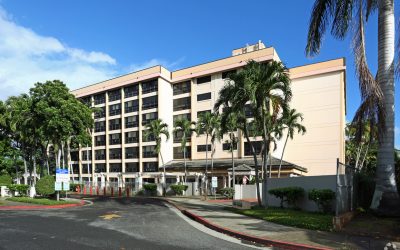
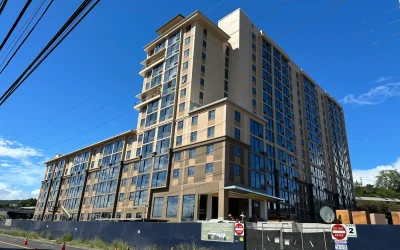
Navigating the rental market presents significant hurdles for Hawaii residents living with physical, sensory, or cognitive disabilities. Finding a property that combines physical accessibility features with affordable rent caps requires working through complex state and federal guidelines. Many individuals receiving fixed monthly disability benefits assume that high market rents in Honolulu, Kihei, Lihue, or Kona put safe housing out of reach.
Federal civil rights legislation and housing guidelines protect applicants with disabilities. Properties receiving federal funds, Low-Income Housing Tax Credit equity, or USDA Rural Development backing must comply with strict accessibility standards and non-discrimination mandates.
Federal law guarantees your right to request reasonable accommodations, apply for expanded voucher payment standards, and exclude non-family live-in aides from household income calculations.
At Hawaii Affordable Properties, Inc., our management teams process applications for residents with diverse mobility and physical needs across Oahu, Maui, Kauai, and Hawaii County.
This guide outlines your legal protections under federal housing acts, details 2026 county income thresholds, explains HOTMA disability deductions, and provides a clear roadmap to secure an accessible rental home.
Federal Rights and Fair Housing Protections for Hawaii Renters
Three federal statutes govern affordable housing access for individuals with disabilities across the Hawaiian Islands:
- The Fair Housing Act: Prohibits discrimination based on disability and requires housing providers to make reasonable accommodations in rules, policies, practices, or services.
- Section 504 of the Rehabilitation Act: Mandates that federally assisted housing programs dedicate a minimum percentage of total units to fully accessible design standards, including wheelchair-accessible entrances and visual alarms.
- Title II of the Americans with Disabilities Act: Applies to public housing agencies and state-funded residential programs, requiring equal access to facilities and services.
Reasonable Accommodations vs. Reasonable Modifications
Understanding the distinction between accommodations and modifications helps you advocate for your housing needs during the application process:
| Request Type | Legal Definition | Concrete Examples |
|---|---|---|
| Reasonable Accommodation | A change, exception, or adjustment to a rule, policy, practice, or service. | Requesting an assigned parking space near an entrance, adjusting rent due dates to align with benefit payouts, or allowing a service animal in a non-pet community. |
| Reasonable Modification | A structural change made to existing premises to afford full enjoyment of the housing unit. | Installing grab bars in shower enclosures, widening interior doorways, lowering kitchen light switches, or adding exterior wheelchair ramps. |
Housing providers must allow reasonable modifications. In federally subsidized or LIHTC properties, property owners absorb the cost of reasonable structural modifications required for accessibility compliance.
Live-In Aide Regulations
If your medical practitioner certifies that you require 24-hour care or daily assistance to live independently, you may request a live-in aide as a reasonable accommodation.
Under HUD guidelines, a certified live-in aide is not considered a household member for income eligibility purposes. The live-in aide’s personal annual income is completely excluded from your household gross calculation. However, the presence of an approved live-in aide qualifies your household for a larger unit size to ensure adequate personal space.
Income Verification, SSI/SSDI, and HOTMA Deductions
Under Housing Opportunity Through Modernization Act regulations, property compliance officers evaluate all recurring fixed income streams received by applicants.
For applicants receiving disability assistance, income verification covers four main categories:
- Supplemental Security Income (SSI): Monthly federal benefit statements provided by the Social Security Administration.
- Social Security Disability Insurance (SSDI): Monthly insurance payouts based on prior employment record history.
- Veterans Disability Compensation: Tax-free benefit award letters issued by the U.S. Department of Veterans Affairs.
- State Disability Aid: Temporary disability benefits or vocational rehabilitation stipends issued by state agencies.
Allowable Household Deductions for Disability Households
HOTMA auditing rules establish generous financial allowances for households headed by an individual with a certified disability:
- Elderly/Disabled Family Allowance: A standard $400 baseline deduction is subtracted directly from your gross annual household income.
- Medical Expense Deductions: Unreimbursed medical expenses that exceed 3% of your gross annual household income are fully deductible. This includes health insurance premiums, prescription co-pays, medical equipment purchases, doctor visit fees, and specialized transportation costs.
- Disability Assistance Deductions: Unreimbursed expenses for attendant care or auxiliary apparatus equipment that enable a family member to work are eligible for direct deduction.
Net Asset Rules and ABLE Account Exclusions
Federal HOTMA rules enforce a $100,000 net liquid asset cap for subsidized housing eligibility. However, statutory protections exclude specific financial assets held by individuals with disabilities.
Under the Stephen Beck Jr. ABLE Act, savings accumulated inside a certified Achieving a Better Life Experience (ABLE) account are completely excluded from federal asset calculations. You can hold up to $100,000 inside an ABLE account without jeopardizing your low-income housing eligibility or your SSI benefits.
Formal irrevocable special needs trusts and dedicated equipment replacement funds are also excluded from asset limits.
2026 County Income Thresholds for Disability Housing Applicants
To qualify for an income-restricted apartment, your total adjusted annual income must fall below Area Median Income limits published by the U.S. Department of Housing and Urban Development.
Review the active 2026 income caps for single-person and two-person households below:
2026 Hawaii Income Limits for Small Households
| Household Size & AMI Tier | Honolulu County (Oahu) | Maui County | Kauai County | Hawaii County (Big Island) |
|---|---|---|---|---|
| 1 Person (30% AMI) | ~$28,290 | ~$25,380 | ~$24,720 | ~$22,860 |
| 1 Person (50% AMI) | ~$46,550 | ~$42,300 | ~$41,200 | ~$38,100 |
| 1 Person (60% AMI) | ~$55,860 | ~$50,760 | ~$49,440 | ~$45,720 |
| 2 People (50% AMI) | ~$53,200 | ~$48,350 | ~$47,100 | ~$43,550 |
| 2 People (60% AMI) | ~$63,840 | ~$58,080 | ~$56,520 | ~$52,200 |
Verify exact household brackets for larger families using the HAPI AMI Eligibility Checker.
Section 8 Voucher Rules and Accessible Unit Allocations
Holding a Housing Choice Voucher provides valuable rental flexibility, but locating an accessible unit on the open market can take time. Federal rules contain specific mechanisms to assist voucher holders with disabilities.
Expanded Payment Standards
If standard voucher payment limits do not cover the rent of an accessible unit equipped with necessary features, county housing authorities can approve an expanded payment standard. Housing authorities may establish payment standards up to 120% of the Fair Market Rent as a reasonable accommodation without requiring prior HUD approval.
Extra Bedroom Allocations
Voucher holders can request an additional bedroom allocation to store bulky medical machinery, dialyzer equipment, motorized mobility wheelchairs, or to accommodate an approved live-in aide.
Physical Accessibility Features Under NSPIRE
Properties managed by Hawaii Affordable Properties, Inc. undergo physical safety evaluations under HUD’s National Standards for the Physical Inspection of Real Estate framework.
Accessible properties feature specific mobility and sensory enhancements:
- Zero-step building entrances equipped with concrete access ramps and automated door openers.
- Interior doorways providing a minimum 32-inch clear opening width for wheelchair navigation.
- Curb ramps, designated accessible parking spaces, and smooth paved pathways to common areas.
- Roll-in showers or low-threshold bathtubs fitted with reinforced wall grab bars.
- Visual strobe light smoke alarms and audible notification systems for hearing or visually impaired residents.
- Lowered kitchen light switches, electrical outlets, and countertop surfaces.
These physical features preserve independence and safety for every resident.
Step-by-Step Application Roadmap for Accessible Units
Securing an accessible rental property involves a four-stage verification process.
Accessible Housing Application Stages
| Stage | Operational Action | Key Deliverable |
|---|---|---|
| 1. Request Forms | Submit Accommodation Request | Request reasonable accommodation forms for live-in aides, service animals, or structural modifications. |
| 2. Document Compilation | Assemble Verification File | Gather benefit letters, bank statements, ABLE account logs, and medical verification letters. |
| 3. Compliance Review | HOTMA Income Audit | Compliance specialists verify SSI/SSDI income, apply medical deductions, and confirm asset exclusions. |
| 4. Lease Execution | Walk-Through & Move-In | Complete physical accessibility check under NSPIRE guidelines, sign lease documents, and receive keys. |
Estimate upfront moving expenses and security deposit requirements using the HAPI Paycheck Pacer Tool.
Frequently Asked Questions
Does my live-in aide’s personal income count toward my household total?
No. Under federal housing guidelines, an approved live-in aide is not considered a household member for financial eligibility. Their personal income is completely excluded from your annual gross income calculation.
Can I request a higher Section 8 voucher payment limit for an accessible apartment?
Yes. County housing authorities can approve a payment standard up to 120% of the Fair Market Rent as a reasonable accommodation if you require a specialized accessible unit that costs more than standard market rates.
How are ABLE savings accounts evaluated under HOTMA asset rules?
Funds stored inside a certified ABLE account are completely excluded from the $100,000 net liquid asset calculation. You can accumulate up to $100,000 in an ABLE account without risking your low-income housing eligibility.
What happens if I need grab bars or ramps installed in a unit I am renting?
You have the legal right to request reasonable modifications. In federally subsidized and LIHTC tax-credit properties, the property owner is responsible for completing and funding necessary accessibility modifications.
How do I request an extra bedroom for medical equipment?
You must submit a written reasonable accommodation request accompanied by documentation from a licensed healthcare provider confirming that the additional space is medically necessary for your care or equipment storage.
Online Planning Tools
Utilize these digital resources to prepare your application package:
Find Your Accessible Home in Hawaii
Hawaii Affordable Properties, Inc. is locally owned and operated in Hawaii. Managing properties statewide since 1992, our team assists individuals with disabilities, local families, kupuna, and service professionals across the islands.
Contact our management team today to check open waiting lists for accessible units, confirm your income tier, and start your application.
HAPI: Locally Owned and Trusted Since 1992.