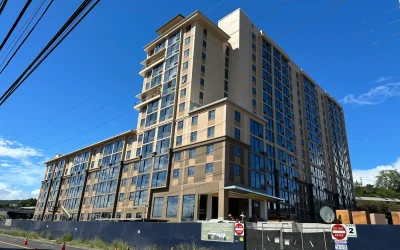
For affordable housing developers, tax credit investors, non-profit community organizations, and government housing agencies across the Hawaiian Islands, the success of a real estate asset relies on a delicate balance of two competing priorities: fulfilling a critical community mission and maintaining strict, audit-ready compliance.
In 2026, Hawaii’s housing market continues to present significant challenges for local families and real estate operators alike. Local renters face the highest housing cost burdens in the nation, with over 60% of households spending more than 30% of their gross earnings on rent and utilities.
With median home prices across the state remaining exceptionally high and only 5% of our overall rental inventory deed-restricted as affordable, Hawaii requires more than 50,000 additional affordable units to meet current demand.
However, bringing these properties online and operating them successfully is an incredibly demanding task. Developers must navigate a complex landscape of overlapping federal, state, and county programs while managing logistics across four distinct islands.
In this environment, a single calculation mistake during an annual tenant recertification or a clerical error on an income verification form can trigger severe tax credit recapture penalties, risking millions of dollars in private equity.
Strong public-private partnerships solve what individual organizations cannot. When housing authorities, developers, and investors collaborate with an experienced, on-island property manager, they safeguard their capital while expanding access to stable, high-quality housing.
Hawaii Affordable Properties, Inc. (HAPI) has served as Hawaii’s trusted affordable housing partner since 1992, managing over 4,000 units across 33 projects statewide. This comprehensive guide outlines our specialized partnership services, explains our robust compliance protection framework, and details our seamless transition process for owners.
Who We Serve: Community Partners for Affordable Housing
HAPI provides professional, turnkey asset management and compliance solutions tailored to the unique goals of every stakeholder in Hawaii’s affordable housing ecosystem:
- Tax Credit Investors & Lenders: We provide institutional-grade asset protection. Our compliance team manages your LIHTC properties through their initial 15-year compliance windows and extended-use agreements, protecting your return on investment (ROI) from IRS recaptures.
- Nonprofit Developers: We deliver mission-aligned management that balances deep community impact with financial sustainability. We help you maintain well-kept communities, coordinate resident services, and keep operating expenses low.
- Housing Authorities & Government Agencies: HAPI administers contracted public housing operations, HUD Section 8 project-based programs, HUD Section 202 supportive housing for seniors, and USDA Rural Development properties with certified regulatory precision.
- Private Real Estate Owners: We oversee day-to-day building operations, manage tenant relations, coordinate local maintenance dispatch, and execute mandatory annual recertifications to ensure your building remains fully compliant.
Our Specialized Affordable Housing Management Services
Managing affordable real estate in Hawaii requires specialized knowledge of federal housing codes and local island logistics. HAPI provides a complete range of professional services to keep your properties running smoothly:
1. Low-Income Housing Tax Credit (LIHTC) Administration
We bring over 30 years of specialized Section 42 compliance experience to your tax credit portfolio. Our dedicated, in-house compliance department manages initial tenant eligibility screenings, coordinates annual household recertifications, calculates maximum gross rent limits, and prepares all necessary HHFDC documentation.
2. HUD Program Management (Section 8, 202, & PBRA)
We provide certified administration of Section 8 Housing Choice Vouchers, Section 202 supportive housing for seniors, and Project-Based Rental Assistance (PBRA) contracts. Our team manages complex tenant eligibility reviews, coordinates monthly housing assistance payments (HAP), and prepares your properties to pass HUD’s updated NSPIRE physical safety inspections.
3. USDA Rural Development (Section 515 & 521)
Specializing in neighbor island housing, we manage USDA Section 515 rural rental housing properties across the Big Island, Maui, and Kauai. We administer Section 521 rental assistance payments, execute monthly USDA accounting reconciliations, and coordinate directly with regional USDA Rural Development offices.
4. Full-Service Operations & Maintenance
We manage the complete operational lifecycle of your properties, including tenant screening, lease administration, rent collection, and vendor management. Our local, island-based maintenance teams provide responsive, 24/7 emergency repair services, utilizing pre-negotiated contractor rates to keep your operating expenses (OpEx) low.
Compliance Protection That Safeguards Your Investment
In the affordable housing sector, compliance is not merely an administrative task—it is the vital shield that protects your property’s funding. While property management fees typically represent 4% to 6% of an asset’s operating revenue, a single compliance violation can cost 100% of your LIHTC tax credits.
At HAPI, we mitigate this risk through our elite compliance infrastructure:
- Certified Compliance Leaders: Our managers hold specialized Tax Credit Certified (TCC), HUD Certified, and Rural Development certified designations, ensuring we remain updated on all changing federal housing laws.
- The Spectrum Standard: HAPI subscribes to the Spectrum Professional Tax Credit Consulting Service. This ongoing partnership ensures our compliance team receives continuous training on changing regulations—such as HOTMA income-averaging rules—before they impact your property.
- Proactive File Audits: To prevent administrative findings during agency audits, HAPI utilizes a “second-eye” review process. Every tenant certification and income file is audited internally by our senior compliance specialists before it is submitted to state or federal authorities.
How It Works: HAPI’s Seamless Transition Process
Transitioning an existing property to a new management provider requires careful coordination to prevent compliance gaps, late filings, or tenant disruption. HAPI implements a proven, four-step onboarding process to ensure a seamless transition:
HAPI 4-Step Property Onboarding & Integration
| Onboarding Phase | Operational Objective | HAPI Deliverables & Key Actions |
|---|---|---|
| Phase 1: Portfolio Review | Comprehensive Risk Discovery | In-depth administrative review of all active tenant files, Land Use Restriction Agreements (LURAs), physical asset logs, and historical maintenance records to identify potential vulnerabilities. |
| Phase 2: Transition Planning | Regulatory Alignment | Re-evaluating previous income eligibility determinations under modern HOTMA parameters, resolving administrative file gaps, and verifying regulatory status with state/federal agencies. |
| Phase 3: Active Management | System Integration | Deploying HAPI’s localized tenant leases, setting up secure owner and resident portals, establishing on-island 24/7 emergency maintenance dispatch, and transitioning utility allowances. |
| Phase 4: Ongoing Partnership | Continuous Performance | Coordinating efficient unit lease-ups, administering flawless annual tenant recertifications, managing on-site vendor contracts, and delivering institutional-grade financial reporting. |
Our onboarding process typically takes 30 to 45 days depending on property size and current compliance status. For properties facing urgent compliance deadlines or operational issues, we can expedite critical functions like recertifications and emergency maintenance within the first week.
Local Expertise: Deep Roots in Hawaii’s Communities
Managing affordable housing across four major islands requires more than regulatory knowledge—it demands an understanding of island logistics, cultural context, and local community relationships.
HAPI operates physical management offices on the Big Island and Oahu, with hands-on staff serving properties across Maui and Kauai:
- Island Logistics Expertise: Hawaii’s coastal climate introduces accelerated wear on building materials. Our local, on-island maintenance technicians understand how to protect properties from saltwater corrosion, termites, and high-humidity damage, coordinating repairs with pre-negotiated local contractor networks to keep your costs low.
- Culturally Sensitive Services: We serve diverse resident communities across Hawaii, including Native Hawaiian, Pacific Islander, Filipino, and Japanese populations. Our staff provides respectful, culturally appropriate services, helping us maintain high resident satisfaction and an industry-leading 98.2% average occupancy rate.
- Trusted Local Relationships: Founded in Hawaii in 1992, HAPI has spent more than three decades building strong relationships with county housing offices, state finance authorities (HHFDC), local contractors, and nonprofit community networks.
Frequently Asked Questions (FAQ)
1. Who really funds and pays for affordable housing in Hawaii?
Affordable housing is funded through public-private partnerships combining government subsidies, private equity, and state-backed loans. Federal programs like LIHTC provide tax credits to private investors who fund construction, while HUD and USDA programs provide ongoing rental assistance. Tenants pay a portion of the rent based on their income (typically 30% of adjusted gross income), and subsidies cover the gap between tenant payments and the actual cost of operation.
2. What is the most significant challenge facing affordable housing in Hawaii?
Hawaii faces a dual crisis: a severe supply shortage and extreme operational complexity. Building units is exceptionally expensive due to high land and shipping costs, while operating existing properties requires navigating overlapping federal, state, and county compliance requirements across four islands. Properties require specialized managers who can handle these strict rules while delivering quality, local resident care.
3. How does HAPI prevent tax credit recapture?
Recapture occurs when the IRS claws back tax credits because a property failed to maintain compliance (such as housing an over-income tenant or failing a safety audit). HAPI prevents this through rigorous, proactive internal audits. Every tenant file is reviewed and approved by our senior compliance specialists before it is submitted to state housing authorities.
Access HAPI’s Professional Portfolio Planning Tools
We build specialized digital resources to help our development partners and investors monitor their assets and verify compliance:
Let’s Build and Protect Affordable Communities Together
Operating affordable housing in Hawaii requires a dedicated, compliance-first approach. Whether you are an institutional developer looking to protect your tax credit portfolio, a housing agency seeking certified program administration, or a nonprofit organization looking to optimize a community asset, HAPI provides the local presence and regulatory experience you need to succeed.
Contact our regional offices today to speak with our leadership team, evaluate your property’s compliance health, and request a custom management proposal.