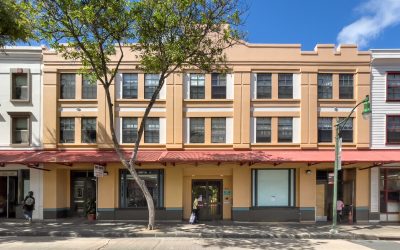
Housing support services in Hawaii extend beyond helping people pay monthly rent. Depending on a household's circumstances, assistance may involve emergency shelter, temporary financial support, rental subsidies, supportive services, or access to affordable apartments.
These services address different housing needs. Someone without a safe place to stay may need emergency accommodation, while a household struggling with rent may need financial assistance. Others may be searching for permanent housing with income restrictions that make rental costs more manageable.
At Hawaii Affordable Properties, Inc. (HAPI), we manage affordable residential communities across Oahu, Hawaii Island, and Maui County. Our responsibilities include leasing and application intake, compliance administration, property staff support, and building maintenance.
Different housing programs have different purposes, eligibility requirements, and points of contact. Understanding these distinctions can help residents identify the appropriate resources and organizations for their circumstances.
What Housing Support Services Include
Housing support services are programs and resources intended to help individuals and households obtain housing, maintain stable living arrangements, or address challenges that affect their ability to remain housed.
Some services provide accommodation, while others offer financial assistance, counseling, referrals, or ongoing support.
| Type of housing support | Primary purpose |
|---|---|
| Emergency shelter | Provides temporary accommodation for people without a safe place to stay |
| Transitional housing | Offers time-limited housing, sometimes with supportive services |
| Rental assistance | Helps qualifying households cover eligible rental expenses |
| Housing stabilization | Addresses challenges that may threaten housing stability |
| Permanent supportive housing | Combines housing with ongoing services for eligible individuals |
| Affordable rental housing | Provides apartments subject to applicable affordability requirements |
These services sometimes overlap. A household receiving rental assistance may also participate in financial counseling or case management.
However, receiving one form of assistance does not automatically establish eligibility for another. Each program has its own requirements.
Emergency and Temporary Housing Services
Emergency and temporary housing programs primarily serve individuals and families experiencing homelessness or other circumstances that leave them without stable accommodation.
Although these programs may share similar goals, they differ in duration, eligibility, and available services.
Emergency Shelters
Emergency shelters provide temporary accommodation for people who need a safe place to stay.
Depending on the provider, services may include meals, basic necessities, referrals, and connections to case management.
Shelter availability, admission requirements, and permitted lengths of stay vary. Some organizations serve particular populations, while others assist a broader range of households.
Residents seeking information about emergency housing resources can contact Aloha United Way 211 for community service referrals.
Transitional Housing
Transitional housing provides temporary accommodation while participants work toward longer-term living arrangements.
Programs may combine housing with employment assistance, financial education, or other supportive services.
Unlike permanent affordable apartments, transitional housing is generally intended for a limited period. Available services and participation requirements depend on the organization administering the program.
Rapid Rehousing
Rapid rehousing helps eligible individuals and families experiencing homelessness move into permanent housing.
Depending on the program, assistance may include housing identification, temporary rental support, and case management.
Its purpose differs from emergency shelter. Rather than providing temporary accommodation, rapid rehousing focuses on helping participants obtain housing and address barriers to maintaining it.
For more information about homelessness programs in Hawaii, visit the Statewide Office on Homelessness and Housing Solutions.
Rental Assistance and Housing Stabilization Services
Not everyone seeking housing support needs a new home. Some households already have accommodation but need help managing housing costs or maintaining their tenancy.
Rental assistance and housing stabilization services address different aspects of these situations.
Temporary Financial Assistance
Emergency rental assistance may help qualifying households with unpaid rent, utilities, or other eligible housing expenses.
Support depends on the organization administering the program, available funding, and eligibility requirements.
Community organizations may provide direct assistance or refer residents to other providers. A referral does not guarantee that funding will be approved.
Ongoing Rental Subsidies
Rental subsidies help eligible households pay housing costs under established assistance programs.
The federal Housing Choice Voucher program, commonly known as Section 8, is one example. Eligible participants may use vouchers toward qualifying rental housing, subject to program rules.
Authorized public housing agencies administer Housing Choice Vouchers. Residents can explore relevant programs through the Hawaii Public Housing Authority and applicable local housing agencies.
Some affordable communities also participate in project-based rental assistance programs, where assistance is associated with qualifying housing units.
Housing Stabilization Services
Housing stabilization services address circumstances that may interfere with a household's ability to maintain stable housing.
Depending on the provider, support may include case management, financial education, or connections to employment and community resources.
These services do not necessarily include direct rental payments.
Permanent Affordable Housing Options in Hawaii
Permanent affordable rental housing serves a different purpose from emergency shelter or temporary financial assistance.
These communities provide residential accommodation under affordability requirements established by particular housing programs.
Several programs contribute to Hawaii's affordable rental housing supply.
Low-Income Housing Tax Credit Properties
The Low-Income Housing Tax Credit (LIHTC) program supports the development and preservation of affordable rental properties.
Participating communities must follow applicable income and rent restrictions. Eligibility depends on the property's requirements and the applicant's household circumstances.
Unlike tenant-based rental assistance, LIHTC affordability restrictions apply to participating properties.
At HAPI, we administer applicable LIHTC requirements as part of our affordable residential property management services.
Public Housing
Public housing provides rental accommodation for eligible households through government-administered programs.
Admission requirements, income limits, and rent calculations depend on the applicable program.
The Hawaii Public Housing Authority provides information about public housing programs and related resources.
HUD and USDA-Assisted Housing
Other affordable residential communities operate under federal housing assistance programs.
Our management responsibilities include administering applicable requirements under HUD Section 202, Section 8, and USDA Rural Development Section 515 programs.
Each program has different eligibility rules, affordability requirements, and administrative procedures.
Participation in an affordable housing program does not mean an apartment is immediately available or that every applicant will qualify.
Residents interested in communities we manage can explore our residential property listings:
Supportive Housing and Community-Based Services
Supportive housing combines residential accommodation with services intended to help qualifying individuals maintain stable living arrangements.
Depending on the program, these services may address disability-related needs, healthcare coordination, independent living, or other circumstances affecting housing stability.
Permanent supportive housing commonly serves eligible individuals who have experienced homelessness and need ongoing support.
It differs from affordable rental housing because supportive services are a defining part of the housing arrangement.
Community-based services can also contribute to housing stability without directly providing accommodation.
For example, employment assistance, food programs, transportation resources, and financial counseling may help households manage challenges affecting their living arrangements.
These services may be provided independently or alongside housing programs.
Residents seeking information about available community resources can use Aloha United Way 211 to identify relevant service organizations.
Organizations That Provide Housing Support in Hawaii
Housing support involves government agencies, nonprofit organizations, community referral services, and residential property managers.
Understanding their responsibilities helps residents determine which organization handles a particular need.
| Organization | Typical responsibilities |
|---|---|
| Government housing agencies | Administer housing assistance programs and oversee applicable requirements |
| Nonprofit service providers | Offer shelter, referrals, case management, or other assistance according to their programs |
| Community referral organizations | Connect residents with organizations providing relevant services |
| Affordable housing property managers | Operate residential communities and administer applicable property-level requirements |
| Housing counseling agencies | Provide education and counseling about housing-related decisions |
For example, someone seeking emergency accommodation would generally contact a shelter provider or community referral organization.
A household interested in a particular affordable apartment would contact that property's management office to ask about eligibility, application procedures, and availability.
Someone seeking a Housing Choice Voucher would work with the public housing agency responsible for administering the program.
These organizations serve different functions, even when their work contributes to the broader goal of housing stability.
The Role of Affordable Housing Property Management
Affordable housing property management supports the ongoing operation of residential communities and the administration of applicable housing requirements.
At HAPI, our verified services include affordable residential property management, leasing and application intake, compliance administration, property staff support, and building maintenance.
For prospective residents, a property's management office is generally the appropriate contact for questions about that community's application requirements and availability.
For property owners, management involves maintaining residential operations while meeting applicable program obligations.
Residents seeking emergency shelter or financial assistance can contact the appropriate community service provider. Housing Choice Voucher applications are handled through authorized public housing agencies.
Frequently Asked Questions
1. Can someone receive more than one type of housing support?
Yes, depending on the programs involved. Some households may receive rental assistance while also participating in counseling or other supportive services. However, individual programs may restrict overlapping benefits, and eligibility must be determined separately.
2. Are housing support services available to people who are currently employed?
Yes. Employment does not automatically disqualify someone from every housing support program. Eligibility may depend on household income, household size, housing circumstances, and the requirements of the particular service.
3. Does receiving housing support mean someone qualifies for an affordable apartment?
No. Affordable rental communities have their own eligibility and application requirements. Receiving assistance from another organization does not automatically qualify someone for an apartment or guarantee availability.
4. Can housing support services help older adults and people with disabilities?
Yes. Certain housing programs and supportive services are designed to serve eligible older adults or individuals with disabilities. Requirements vary, so applicants should confirm the purpose and eligibility rules of each program.
5. Which organization should someone contact about a specific affordable housing property?
Contact the property's management office to ask about application procedures, eligibility requirements, and availability. For communities managed by HAPI, residents can explore our residential property listings for Oahu, Hawaii Island, and Maui County and contact the appropriate property office.
Explore Affordable Residential Communities Managed by HAPI
Housing support services in Hawaii address different needs, from temporary accommodation and financial assistance to supportive services and permanent affordable rental housing.
Understanding these distinctions can help residents identify appropriate resources without assuming that every organization provides the same assistance.
At Hawaii Affordable Properties, Inc., we contribute to the affordable housing system through residential property management, compliance administration, leasing support, and building care.
If you're exploring affordable rental housing, we invite you to review our residential communities on Oahu, Hawaii Island, and Maui County. Contact the appropriate property office to learn about its application procedures, eligibility requirements, and availability.
You can also learn more about our company and services on our About Us page.
HAPI: Locally Owned and Operated.