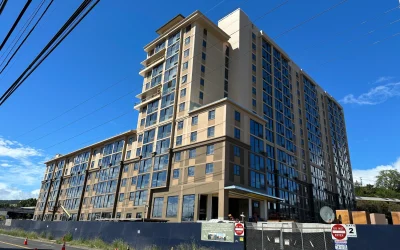
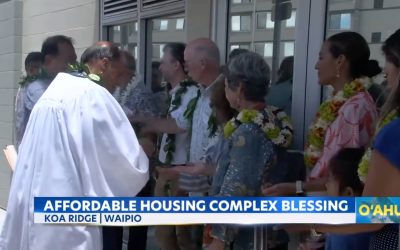
Who pays for affordable housing in Hawaii? The answer involves taxpayers, private investors, lenders, property owners, and residents. Each contributes to a different part of the housing system.
Some funding helps build or rehabilitate apartments. Other programs help eligible households pay rent. Once a property opens, rental income and applicable subsidies support its daily operations.
This distinction matters because affordable housing is not necessarily free housing or entirely government-funded housing. Every community has its own financing arrangements and affordability requirements.
At Hawaii Affordable Properties, Inc. (HAPI), we manage affordable rental communities across Oahu, Hawaii Island, and Maui County, including Lanai. Our services focus on property management and administration of complex rental assistance programs.
Understanding where the money comes from can help you make informed decisions, whether you are searching for an affordable apartment or responsible for an existing property.
The Three Costs Behind Affordable Housing
Affordable housing funding becomes easier to understand when you separate three expenses: development, operations, and rental assistance.
| Expense | Who may contribute | What the funding covers |
|---|---|---|
| Construction or rehabilitation | Investors, lenders, government financing programs, and owners | Building new apartments or improving existing properties |
| Property operations | Tenant rent, applicable rental subsidies, and other approved income | Maintenance, insurance, utilities, staffing, and repairs |
| Rental assistance | Federal, state, or local housing programs | Helping eligible households pay rent under program rules |
Not every property receives all three types of support.
One community might use federal tax credits during construction but receive no ongoing project-based rental subsidy. Another might operate under a program that provides assistance for designated apartments.
Money used to construct a building is not automatically available to maintain it after residents move in.
That is why affordable housing financing and affordable housing management are related but separate responsibilities.
How Taxpayers, Investors, and Lenders Contribute
Affordable rental developments often combine public incentives with private financing.
Federal tax credits can encourage investment. Lenders provide loans that must be repaid. State and county programs may help address costs that projected rental income cannot support.
Federal Tax Credits and Private Investment
The Low-Income Housing Tax Credit (LIHTC) is a major federal financing tool for affordable rental housing.
Under the program, qualifying developments receive tax credits through an established allocation process. Developers commonly use those credits to attract investors who contribute capital in exchange for tax benefits.
The arrangement involves two contributions:
- Taxpayers: Federal tax credits reduce tax revenue that the government would otherwise collect.
- Private investors: Investors provide equity that helps finance qualifying affordable housing developments.
The program is governed by Section 42 of the Internal Revenue Code, which establishes requirements for qualifying properties and rent-restricted units.
LIHTC financing also creates ongoing affordability obligations. Properties must meet applicable program requirements after construction.
For a more detailed explanation, HAPI's existing article, LIHTC 101: A Developer's Guide to Low-Income Housing Tax Credits in Hawaii, covers the program's financing structure.
Mortgages and Other Development Loans
Affordable housing developments may also rely on mortgages or other loans.
Lenders evaluate whether a property's projected income can support repayment. Because affordable rents are restricted, the property may not generate enough income to support a mortgage covering the entire development cost.
Additional funding may therefore be necessary.
This does not mean the development has no financial obligations. Loans must still be repaid according to their terms, and owners must account for those payments alongside other property expenses.
Hawaii's State and County Funding Role
Federal financing is important, but Hawaii also has programs intended to support affordable rental development.
The Hawaii Housing Finance and Development Corporation (HHFDC) administers several housing financing programs.
One example is the Rental Housing Revolving Fund, which provides financing opportunities for qualifying affordable rental projects, including development, acquisition, preservation, and substantial rehabilitation.
Counties may also support affordable housing through locally administered funds and other approved arrangements.
These programs can help close the difference between development expenses and the financing a property can otherwise support.
Why Projects Combine Multiple Funding Sources
An affordable housing development may need more than one source of financing.
For example, a project could combine investor equity, a first mortgage, public loans, and other approved contributions.
This combination is commonly called a capital stack.
Each source serves a purpose and may carry separate repayment terms or affordability conditions.
For owners, those conditions can remain relevant long after construction ends. A property may have obligations under several agreements, each requiring appropriate administration.
HAPI's published services focus on affordable housing property management and program administration rather than development financing.
Who Pays the Monthly Rent?
Once residents move into an affordable housing community, they generally contribute rent. The amount depends on the property's program.
Some apartments have income-restricted rents. Others receive rental assistance that helps cover the difference between an eligible household's required payment and an approved rental amount.
These arrangements are not identical.
Income-Restricted Apartments
At many LIHTC properties, maximum rents are determined using program income limits, unit characteristics, and applicable utility allowances.
The approved rent is not necessarily calculated as a fixed percentage of each resident's actual income.
For example, two households may qualify for the same type of apartment while having different incomes. The property's applicable rent limit does not automatically change to match each household's earnings.
This is why affordable housing does not always mean paying exactly 30% of your income.
Rental Assistance Programs
Certain rental assistance programs calculate a household's required contribution using income and other applicable factors.
Housing Choice Vouchers generally provide tenant-based assistance, while project-based assistance is associated with particular units or properties.
In these arrangements, the household pays its required portion and an approved subsidy may cover another portion.
Actual payments depend on the program, household circumstances, and applicable rent limits.
HAPI administers programs including HUD Section 8 and Section 202, USDA Rural Development, and other rental assistance arrangements.
For a fuller comparison of program types, see our existing article, Section 8 vs. Affordable Housing: Explaining the Differences in Hawaii Programs.
How Affordable Housing Properties Pay Operating Expenses
Development financing helps create housing. Operating income helps keep it functioning.
Once a community opens, the property still has ongoing expenses, including maintenance, insurance, utilities, staffing, and repairs.
Those costs must be managed regardless of whether the original construction involved public assistance.
Rental Income and Subsidy Payments
An affordable property's operating revenue generally includes resident rent payments and other permitted income.
Where applicable, rental assistance payments supplement residents' contributions.
Owners must manage available revenue while meeting property expenses and complying with relevant program agreements.
A property can face operating challenges even if its original construction financing was successful.
For example, rising insurance premiums or unexpected repairs may increase expenses without a corresponding increase in permitted rental income.
Maintenance and Long-Term Building Needs
Affordable housing communities require continued investment.
Roofs, plumbing systems, elevators, and other building components eventually need substantial repairs or replacement.
Owners may maintain reserves or other approved arrangements to help address these future expenses.
At HAPI, our responsibilities include building maintenance and care, property management, and administration of complex rental assistance programs.
We also support, train, and supervise project staff involved in administering property requirements.
These services help owners address the operational responsibilities that continue after construction.
Why Funding Remains a Challenge in Hawaii
Affordable housing must balance development expenses with restrictions on what qualifying households can be charged.
Hawaii's land constraints, construction logistics, and local development conditions can make that balance especially challenging.
Even when tax credits and public financing are available, a proposed development may still face a funding gap.
Existing properties have different pressures. They must continue maintaining buildings while operating within applicable rent restrictions and subsidy agreements.
This makes preserving affordable rental communities important alongside constructing new ones.
From a property management perspective, the funding structure affects how a community operates. Different programs may involve distinct eligibility rules, rent requirements, reporting responsibilities, and administrative procedures.
At HAPI, we administer multiple affordable housing programs. Our work supports the ongoing management of communities operating under these different requirements.
What Funding Means for Residents and Property Owners
Understanding a property's funding arrangements can help you identify the rules that matter to your situation.
For Residents Seeking Affordable Housing
A property's program can affect eligibility, rent calculations, and application procedures.
Before applying, confirm the income requirements, how rent is determined, and whether apartments are available.
You can explore our Oahu residential properties, Hawaii Island residential properties, and Maui residential properties to find HAPI-managed communities.
Contact the individual property for current availability and application information.
For Affordable Housing Property Owners
If you own or oversee an affordable rental community, review the programs and agreements associated with the property.
Identify the requirements governing rents, eligibility, reporting, and operations.
You should also understand how rental income, applicable subsidies, and reserves support ongoing expenses.
For financing or legal decisions, consult the appropriate qualified professionals and program administrators.
At HAPI, we support owners through affordable housing property management and administration of applicable rental assistance programs.
Frequently Asked Questions
Do Taxpayers Pay for Affordable Housing?
Yes. Public support can include federal tax credits, government appropriations, and state or local financing programs.
Private investors, lenders, property owners, and residents may also contribute.
Is Affordable Housing Entirely Government-Funded?
No. Many developments combine public incentives with private investment and loans.
Once operating, properties generally receive rent payments and, where applicable, rental subsidies.
Why Do Residents Pay Rent if Construction Received Public Funding?
Construction funding and operating income cover different expenses.
Rent and applicable subsidies help pay ongoing property costs after development is complete.
Does Every Affordable Apartment Receive Rental Assistance?
No. Some affordable properties have restricted rents without ongoing rental assistance for each unit.
Others participate in programs that provide subsidies. The arrangement depends on the property.
Who Manages Affordable Housing After Construction?
Owners remain responsible for their properties and may hire a management company to handle daily operations.
HAPI provides affordable housing property management services for government and private property owners.
Affordable Housing Management With HAPI
Affordable housing relies on contributions from different sources, each supporting a particular need.
Public incentives and private financing help create housing. Residents and rental assistance programs contribute to operating revenue. Owners remain responsible for maintaining their communities and meeting applicable obligations.
At HAPI, we focus on managing affordable rental properties, caring for buildings, and administering complex rental assistance programs.
If you own or oversee an affordable rental community in Hawaii, contact HAPI to discuss your property management needs.
HAPI: Locally Owned and Trusted Since 1992.