Preserving affordable housing in Hawaii is about protecting more than the buildings themselves. It means keeping rental communities in good condition while managing the affordability requirements that allow eligible residents to call them home.
If you own or oversee an affordable property, you know that its long-term condition depends on everyday decisions. Maintenance requests need attention, major repairs require planning, and housing program rules must be administered correctly.
At Hawaii Affordable Properties, Inc. (HAPI), we manage affordable residential properties across Oahu, Hawaii Island, Maui, and Lanai. Our portfolio includes family housing, senior communities, and properties operating under different rental assistance programs.
That variety matters. A preservation plan should reflect the actual property, its residents, and its program requirements, rather than applying the same approach to every building.
Why Preserving Existing Affordable Housing Matters
New affordable housing adds much-needed homes. Preservation helps protect homes that already exist.
When an existing community falls into disrepair, residents may experience disruptions, and owners can face increasingly expensive improvements. If a property can no longer operate effectively, the loss affects more than its balance sheet.
The National Low Income Housing Coalition’s housing shortage research illustrates the broader need for affordable rental homes.
For you as an owner, preservation involves two connected responsibilities: maintaining the physical property and sustaining its ability to operate under applicable affordability requirements.
These responsibilities are especially important when your property serves residents with limited housing alternatives.
Different Properties Require Different Preservation Plans
One of the most important lessons from HAPI’s published portfolio is that affordable housing is not a single property type or program.
For example, our listed communities include:
| HAPI-managed property | Location and program | Preservation consideration |
|---|---|---|
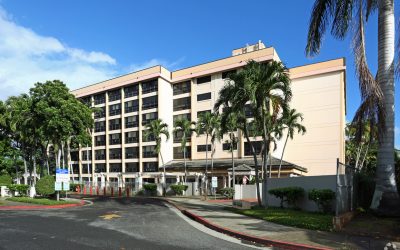
| Hale Kewalo | Honolulu, Oahu; family LIHTC housing | Coordinating building maintenance with LIHTC operating requirements |
| Mohouli Senior Heights | Hilo, Hawaii Island; senior housing with multiple listed program structures across phases | Reviewing each phase’s building needs and applicable requirements |
| Honokowai Kauhale | Lahaina, Maui; family affordable housing | Planning property upkeep around the community’s operating needs |
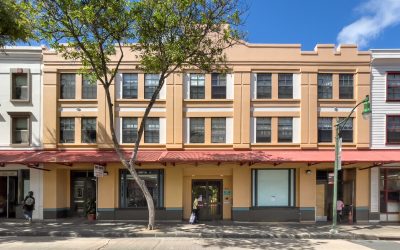
| Kauhale Kakaako | Honolulu, Oahu; affordable family housing and commercial space | Coordinating residential and commercial property responsibilities |
These are examples of the properties and programs listed on our website, not claims about completed preservation projects or their current physical condition.
They demonstrate why you should begin with your property’s actual circumstances. A senior housing community, a family apartment property, and a mixed residential-commercial building may have different maintenance priorities and operating obligations.
The Threats to Long-Term Property Preservation
Affordable housing can face gradual deterioration even when day-to-day operations appear stable.
Deferred maintenance is one concern. A recurring plumbing leak, drainage problem, or equipment fault may become more costly if its underlying cause is not addressed.
Aging building systems create another challenge. Roofs, plumbing, electrical components, and mechanical equipment eventually need substantial repairs or replacement.
Operating costs also affect preservation. If repair expenses rise faster than available funds, owners may need to reconsider project timing and maintenance priorities.
Finally, incomplete records can make decisions harder. Without organized repair histories and inspection findings, recurring problems may not receive the attention they need.
At HAPI, our role as a property manager includes responsibility for building maintenance and care. For you, effective oversight means knowing which issues need immediate attention and which require longer-term owner planning.
Preventive Maintenance and Building Care
A useful preservation strategy starts with what happens between major renovations.
Your property team should have a process for receiving maintenance requests, documenting reported conditions, coordinating approved repairs, and identifying unresolved problems.
Focus on areas where small defects can develop into larger concerns:
- Roofs and drainage: Watch for leaks, blocked drainage, and signs of water intrusion.
- Plumbing: Track recurring failures rather than treating every incident as unrelated.
- Building equipment: Review servicing requirements and signs of declining performance.
- Common areas: Address reported hazards and deterioration affecting shared spaces.
The appropriate inspection frequency depends on the building, equipment, and applicable requirements.
We also encourage owners to look for patterns in maintenance records. Repeated repairs to the same component may indicate that a replacement assessment is more useful than another temporary fix.
This approach gives you better information when deciding how to allocate limited maintenance funds.
Planning Capital Improvements Around Residents
Major building work requires a different level of coordination.
A roof replacement, substantial plumbing repair, or building-system upgrade may affect occupied apartments and essential services. Before work begins, you need to understand the project’s scope, funding, schedule, and potential impact on residents.
| Planning priority | What you should establish |
|---|---|
| Building condition | Which components need immediate repair or future replacement |
| Funding | Whether reserves and other available resources can support the work |
| Resident impact | Which apartments, common areas, or services may be affected |
| Communication | How residents will receive notices and project updates |
| Program requirements | Whether the work creates additional regulatory or documentation obligations |
A capital needs assessment can help identify upcoming replacement requirements and inform your budget.
For occupied properties, resident communication should be part of the initial plan. Some improvements can proceed while apartments remain occupied; others may require temporary arrangements.
The specific requirements depend on the work, applicable laws, and property agreements.
Preservation should improve the property without overlooking the people living there.
Hawaii’s Island-Specific Maintenance Challenges
Managing properties in Hawaii requires attention to local building conditions and practical logistics.
Moisture and rainfall make drainage, water intrusion, and ventilation important considerations. Coastal exposure can also contribute to corrosion of susceptible building components.
Material availability is another factor. If specialized equipment must be shipped to an island, replacement planning may need to begin well before an existing system fails.
Contractor availability can vary by location and type of work. A project in Honolulu may involve different scheduling considerations from one in Hilo, Kailua-Kona, or Lahaina.
Energy expenses also deserve attention when evaluating equipment upgrades. The U.S. Energy Information Administration’s Hawaii energy profile provides background on the state’s energy conditions.
With management offices on Oahu and Hawaii Island, we serve properties in different island settings. We encourage owners to account for those differences when reviewing maintenance budgets and replacement schedules.
Preserving Affordability Through Program Administration
Physical upkeep is only part of managing an affordable housing community.
HAPI’s published experience includes administration of LIHTC, HUD Section 8 and Section 202, USDA Rural Development, public housing, and other rental assistance programs.
Each program has its own requirements. Owners should not assume that procedures appropriate for one property automatically apply to another.
Our work includes supporting and training project staff in the administration of rental assistance programs. This is particularly relevant when a property needs consistent handling of applications, tenant records, and program rules.
For you as an owner, the preservation question is not simply whether the building is maintained. It is also whether the property has the management support needed to meet its continuing operating obligations.
Complex financing or ownership decisions, such as LIHTC resyndication, require separate professional review. This article focuses on the property management responsibilities that continue regardless of those decisions.
HAPI Tools for Housing and Cost Planning
We provide several online resources related to housing affordability and cost considerations.
- Appliance Cost Calculator: Explore appliance-related cost considerations.
- Hawaii Real Cost Budgeter: Review household living expenses in Hawaii.
- AMI Eligibility Checker: Explore area median income considerations relevant to affordable housing.
- Resource Compass: Explore additional housing-related resources.
These are supplementary resources, not substitutes for property-specific capital planning, approved budgets, or formal eligibility decisions.
Evaluating Your Property’s Preservation Priorities
If you are reviewing an existing affordable property, start with its current operating information.
Look at recent inspection findings, recurring maintenance requests, major equipment ages, replacement reserves, and anticipated capital expenses.
Then review the property’s program structure. Confirm which agreements and administrative requirements apply, particularly if ownership or management responsibilities are changing.
Finally, consider whether your current management arrangement gives you reliable information about the property’s condition and unresolved needs.
We recommend asking a prospective management partner how maintenance concerns are documented, how project staff are supported, and how affordable housing program responsibilities are administered.
Those answers can help you determine whether the management approach fits your property.
Frequently Asked Questions
What Is the Difference Between Preservation and Rehabilitation?
Preservation is the broader effort to keep existing housing affordable and viable. Rehabilitation is a repair or improvement project that may support that goal.
Ongoing maintenance, property operations, and administration of applicable affordability requirements also contribute to preservation.
Who Is Responsible for Major Repairs?
Responsibility depends on ownership arrangements, management agreements, financing documents, and regulatory requirements.
Your property manager may coordinate authorized maintenance and help document building needs, but major spending decisions and funding responsibilities must follow the applicable agreements.
Can Residents Stay in Their Homes During Improvements?
Sometimes. The answer depends on the type of work and whether apartments can remain safe and accessible.
Projects involving significant disruption may require additional arrangements. Review notice, accommodation, and relocation obligations before work begins.
Do All Affordable Properties Follow the Same Preservation Rules?
No. LIHTC properties, public housing, and other assisted communities can have different agreements and operating requirements.
You should confirm the restrictions and obligations that apply to your specific property rather than relying on a general affordable housing checklist.
Can a Property Management Company Help With Preservation Planning?
A property management company can support preservation through maintenance coordination, property oversight, recordkeeping, and administration of applicable housing programs.
The precise responsibilities depend on the management agreement. Major financing, engineering, and ownership decisions may require separate qualified professionals.
Protecting Hawaii’s Existing Affordable Communities
Preserving affordable housing requires attention to both the buildings and the responsibilities attached to them.
Whether your property serves families, older adults, or residents receiving rental assistance, you need a management approach that reflects its physical condition and program structure.
At HAPI, we provide affordable residential property management and administer complex rental assistance programs across our listed communities. We also manage commercial space on Oahu.
If you own or oversee an affordable rental property in Hawaii, contact our team to discuss your property management needs.
HAPI: Locally Owned and Trusted Since 1992.