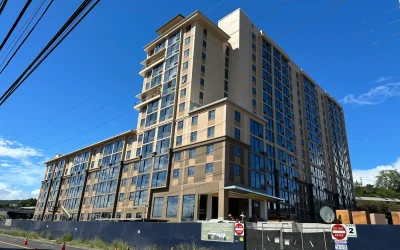
Serving the community through military duty or emergency response requires dedication, discipline, and personal sacrifice. Active military personnel transitioning to civilian life, decorated armed forces veterans, police officers, firefighters, and emergency medical technicians form the foundation of public safety across Hawaii. However, when returning from deployment or finishing long shift rotations, these essential public servants face the same steep rental housing expenses as other island residents.
Market-rate rentals on Oahu, Maui, Kauai, and the Big Island routinely absorb well over half of a entry-level paramedic or young veteran’s monthly earnings. Finding safe, high-quality rental housing near police stations, fire stations, hospitals, or military facilities can feel restrictive when private rents climb each year.
Federal civil rights protections, dedicated military voucher programs, and workforce housing initiatives exist to ensure veterans and first responders secure safe rental housing. Subsidized housing options managed under Low-Income Housing Tax Credit parameters, HUD Section 8 rules, and veterans assistance grants provide stable monthly rent caps tied directly to local income levels.
At Hawaii Affordable Properties, Inc., our management teams process housing applications for veterans, active service members, municipal employees, and first responders across all four major island counties every day.
This guide outlines housing resources available to military veterans and emergency responders, details 2026 county Area Median Income limits, explains HUD-VASH voucher mechanics, and provides a clear roadmap to help public service personnel secure a home.
Understanding Specialized Housing Programs for Veterans and Emergency Responders
Veterans and emergency service professionals qualify for specific housing programs designed to expand access to high-quality, income-restricted rental apartments.
These programs fall into four distinct operational categories:
- HUD-Veterans Affairs Supportive Housing (HUD-VASH): A joint initiative combining HUD Housing Choice Voucher rental assistance with case management and clinical support services provided by the U.S. Department of Veterans Affairs.
- Supportive Services for Veteran Families (SSVF): Federal grants offered through community partner agencies providing rapid re-housing support, temporary rental assistance, security deposit grants, and moving assistance for low-income veteran households.
- Workforce Tier LIHTC Housing: Low-Income Housing Tax Credit properties offering flat-rate capped rentals at 60% and 80% Area Median Income tiers, creating workforce rental opportunities for municipal employees, firefighters, police officers, and medical technicians.
- Project-Based Rental Assistance (PBRA): Property-specific federal subsidies attached directly to multi-family apartments, capping tenant rent payments at thirty percent of adjusted monthly income regardless of fluctuating overtime pay.
Property compliance specialists work directly with VA caseworkers and municipal housing coordinators to streamline the verification process for military and emergency personnel.
2026 County Income Thresholds for Public Service Personnel
To qualify for an income-restricted apartment, your total gross annual household income must fall below limits set by the U.S. Department of Housing and Urban Development. Income limits vary across Hawaii’s four counties to reflect localized wage conditions.
First responders and veterans typically evaluate eligibility under the 50%, 60%, and 80% Area Median Income brackets depending on their household size and annual base wages.
Review the active 2026 income caps for two-person and four-person households below:
2026 Hawaii Income Limits for Veterans and Workforce Households
| Household Size & AMI Tier | Honolulu County (Oahu) | Maui County | Kauai County | Hawaii County (Big Island) |
|---|---|---|---|---|
| 2 People (50% AMI) | ~$53,200 | ~$48,350 | ~$47,100 | ~$43,550 |
| 2 People (60% AMI) | ~$63,840 | ~$58,080 | ~$56,520 | ~$52,200 |
| 4 People (60% AMI) | ~$79,800 | ~$72,540 | ~$70,620 | ~$65,280 |
| 4 People (80% AMI) | ~$106,400 | ~$99,360 | ~$97,920 | ~$90,400 |
Calculate exact household brackets for different family sizes using the HAPI AMI Eligibility Checker.
Keep in mind that Housing Opportunity Through Modernization Act regulations enforce a $100,000 net liquid asset cap for subsidized housing eligibility. However, statutory exclusions protect formal military pensions, Thrift Savings Plan retirement accounts, and VA disability compensation from counting against asset limits.
HOTMA Income Auditing and Military Benefit Deductions
Evaluating income for military veterans and first responders requires compliance officers to review specialized benefit categories under active Housing Opportunity Through Modernization Act regulations.
For veterans and first responders, income verification covers four main categories:
- Base Wages and Overtime Pay: Pay stubs for municipal employees, firefighters, police officers, and emergency medical technicians. Compliance officers evaluate average overtime pay accrued over recent pay cycles.
- VA Disability Compensation: Monthly tax-free benefit award letters issued by the U.S. Department of Veterans Affairs. Disability payments count as unearned household income.
- Military Pensions and Retirement Pay: Monthly retirement annuities issued by the Defense Finance and Accounting Service for retired military personnel.
- Service-Connected Medical Deductions: For veteran households headed by a disabled individual aged 62 or older, out-of-pocket medical expenses exceeding 3% of gross annual income are fully deductible from adjusted income calculations.
Understanding how military allowances and disability benefits are categorized prevents miscalculations during your compliance review.
Application Roadmap for Veterans and Emergency Responders
Securing an income-restricted rental property involves a structured four-stage verification process.
Veterans and First Responders Housing Stages
| Stage | Operational Action | Key Deliverable |
|---|---|---|
| 1. Selection | Target Open Waitlists | Identify properties across Oahu, Maui, Kauai, or the Big Island that accept HUD-VASH vouchers or offer workforce AMI tiers near your station or workplace. |
| 2. Documentation | Build Verification Binder | Gather government IDs, DD-214 discharge forms, VA benefit letters, pay stubs, DD Form 214, and recent bank statements. |
| 3. Compliance Review | HOTMA Income Audit | Leasing specialists verify earnings, apply allowable medical deductions, review asset exclusions, and confirm voucher parameters. |
| 4. Lease Execution | Walk-Through & Move-In | Complete physical safety walk-through under NSPIRE guidelines, execute lease documents, and receive keys. |
Estimate upfront moving expenses and security deposit requirements using the HAPI Paycheck Pacer Tool.
Physical Safety Standards Under NSPIRE
Properties managed by Hawaii Affordable Properties, Inc. undergo physical safety evaluations under HUD’s National Standards for the Physical Inspection of Real Estate framework.
Inspections evaluate critical safety features across all units:
- Functional 10-year sealed smoke alarms mounted inside every bedroom and living hallway.
- Ground Fault Circuit Interrupter safety outlets installed near all water sources in kitchens and bathrooms.
- Secure window latching mechanisms and operational exterior door deadbolts.
- Properly functioning water heaters delivering safe hot water temperatures.
These physical standards ensure every resident occupies a secure home regardless of location or building age.
Frequently Asked Questions
How does a HUD-VASH voucher differ from a standard Section 8 voucher?
A HUD-VASH voucher is specifically reserved for military veterans who meet HUD income requirements and require case management services. The voucher is paired directly with supportive care coordinated through the local VA medical center, whereas a standard Housing Choice Voucher is administered strictly by county housing authorities without clinical support.
Does VA disability compensation count toward income limits for affordable housing?
Yes. Monthly VA service-connected disability compensation counts as gross unearned income under federal HOTMA rules. However, out-of-pocket medical expenses exceeding 3% of gross annual income can be deducted for households headed by a veteran with a certified disability.
Are military pensions or Thrift Savings Plan funds subject to liquid asset caps?
Under HOTMA regulations, formal retirement accounts including the military Thrift Savings Plan, 401(k) accounts, and IRAs are completely excluded from the $100,000 net liquid asset cap. Only non-retirement liquid checking, savings, or brokerage accounts are evaluated against the asset ceiling.
Can entry-level police officers or firefighters qualify for workforce housing?
Yes. Entry-level police officers, firefighters, EMTs, and municipal workers often fall within the 60% or 80% Area Median Income brackets depending on household size. Tax credit properties offering workforce tiers provide fixed, below-market capped rents designed for local public service employees.
How are DD-214 forms used during the housing application process?
Form DD-214 (Certificate of Release or Discharge from Active Duty) serves as official verification of military service. Compliance officers and VA caseworkers review DD-214 forms to confirm honorable discharge status, establish program eligibility, and apply veteran priority preferences on active property waitlists.
Online Planning Tools
Utilize these digital resources to prepare your application package:
Find Your Home in Hawaii
Hawaii Affordable Properties, Inc. is locally owned and operated in Hawaii. Managing properties statewide since 1992, our team assists military veterans, first responders, local families, kupuna, and service professionals across the islands.
Contact our management team today to check open waiting lists, confirm your income tier, and start your application.
HAPI: Locally Owned and Trusted Since 1992.