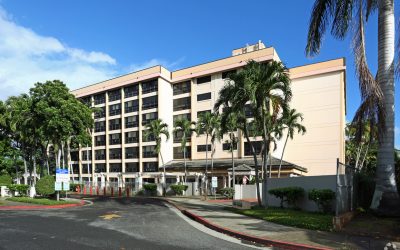
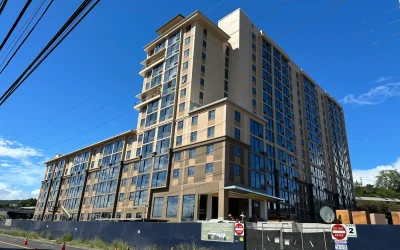
Hawaii Island presents a housing challenge driven by physical scale. Spanning over four thousand square miles, the Big Island requires residents to travel long distances between residential communities and major employment centers. Workers in West Hawaii often commute over fifty miles each way along Saddle Road or coastal highways because housing near Kona resort corridors remains unaffordable on service-industry wages. When monthly gas costs begin to equal utility payments, securing an income-restricted rental close to your workplace becomes essential for financial stability.
Hawaii Affordable Properties, Inc. operates rental communities across Hawaii County that cap monthly rents at rates local workers can afford. Whether you require an apartment in Hilo near medical facilities or workforce housing in Kona near commercial centers, understanding local Area Median Income limits is your primary step toward securing a lease.
This guide outlines active 2026 Hawaii County income caps, details rural USDA development programs versus tax credit properties, and provides a structured application roadmap for island residents.
2026 Income Limits for Hawaii County
Eligibility for subsidized and tax-credit housing depends on gross household income relative to HUD limits established for Hawaii County. Income thresholds on the Big Island are separate from Honolulu or Maui.
Review the 2026 Hawaii County gross annual income limits below to determine your household tier:
2026 Hawaii County Gross Annual Income Limits
| Household Size | 30% AMI (Extremely Low) | 50% AMI (Very Low) | 60% AMI (Workforce Tier) | 80% AMI (Low Income) |
|---|---|---|---|---|
| 1 Person | ~$22,860 | ~$38,100 | ~$45,720 | ~$60,960 |
| 2 People | ~$26,130 | ~$43,550 | ~$52,200 | ~$69,600 |
| 3 People | ~$29,400 | ~$49,000 | ~$58,740 | ~$78,300 |
| 4 People | ~$32,640 | ~$54,400 | ~$65,280 | ~$87,000 |
Each income tier aligns with different local workforce segments across the Big Island:
- 30% AMI Tier: Serves entry-level agricultural workers, part-time retail staff, food service workers, and kupuna relying entirely on Social Security benefits.
- 50% AMI Tier: Serves full-time retail employees, food service staff, office clerks, and delivery drivers.
- 60% AMI Tier: Serves hospitality staff, maintenance technicians, commercial drivers, and trades apprentices in major commercial corridors.
- 80% AMI Tier: Serves entry-level healthcare aides, municipal clerks, school staff, and public service personnel.
Calculations for larger household sizes can be checked using the HAPI AMI Eligibility Checker.
Federal HOTMA Rules and Asset Restrictions
Under Housing Opportunity Through Modernization Act federal regulations, compliance specialists audit all recurring income sources for adult household members aged 18 and older.
On Hawaii Island, income verification covers four primary categories:
- Base Wages and Salary: Consecutive pay stubs covering recent pay periods for full-time, part-time, temporary, or seasonal positions.
- Tips and Overtime Earnings: Documented averages for cash tips, regular overtime earnings, performance bonuses, and shift differentials over a consecutive period.
- Fixed Income Benefits: Official benefit award statements for Social Security, pensions, disability benefits, or child support.
- Net Liquid Asset Limit: Households holding over $100,000 in net liquid assets do not qualify for income-restricted housing under federal rules. This limit excludes formal retirement accounts or verified irrevocable trusts.
For seasonal resort staff in West Hawaii or agricultural employees in East Hawaii with variable hours, compliance officers evaluate W-2 forms, tax filings, pay stubs, and written employer verification forms to project earnings accurately over a twelve-month period.
Geographic Comparison: East Hawaii, West Hawaii, and Rural Districts
Subsidized housing inventory varies significantly across Hawaii County depending on the district you select.
East Hawaii (Hilo, Puna, and Hamakua)
Hilo serves as the county seat and administrative hub of the Big Island. The district contains regional medical centers, university campuses, port facilities, and government offices. Affordable housing options in East Hawaii consist of workforce rentals and senior independent living communities near public Hele-On bus routes.
East Hawaii also contains USDA Rural Development (Section 515) properties located in outlying agricultural areas such as Puna and Hamakua. These communities provide targeted rental assistance for rural residents living on fixed incomes.
West Hawaii (Kona and South Kohala)
West Hawaii centers on resort operations, visitor services, commercial retail, and residential construction. High market rents in Kailua-Kona make Low-Income Housing Tax Credit developments at the 50% and 60% AMI tiers necessary for hospitality staff working along the coast. Units in West Hawaii often feature high demand due to proximity to employment centers along Queen Kaahumanu Highway.
Rural South Hawaii (Ka’u District)
The rural district of Ka’u contains dedicated USDA Section 515 housing developments designed for agricultural workers and long-time district residents. These rural properties maintain low tenant turnover and offer specialized rental assistance capping rent at thirty percent of adjusted monthly income.
Application Process Breakdown
Securing an income-restricted apartment on Hawaii Island requires completing a four-phase compliance review.
Big Island Housing Roadmap
| Step | Phase | Key Requirement |
|---|---|---|
| 1 | Selection | Review open waitlists across Hilo or Kona and confirm household income fits county AMI brackets. |
| 2 | Documentation | Collect government IDs, Social Security cards, birth certificates, pay stubs, and tax filings. |
| 3 | Verification | Compliance specialists verify earnings, asset declarations, and background checks under HOTMA rules. |
| 4 | Move-In | Complete property walk-through under NSPIRE guidelines, sign lease documents, and receive keys. |
To complete the process efficiently, gather your records before submitting your application:
- Personal Identification: Government photo IDs for all adult occupants, Social Security cards, and birth certificates for all household members.
- Income Statements: Pay stubs covering recent pay periods, Social Security award letters, or tax returns for self-employed individuals.
- Asset Records: Bank statements for all checking and savings accounts covering recent statement cycles.
Applicants can estimate upfront moving expenses and deposit requirements using the HAPI Paycheck Pacer Tool.
Physical Safety Standards under NSPIRE
Subsidized properties managed on the Big Island undergo physical safety evaluations under HUD’s National Standards for the Physical Inspection of Real Estate framework.
Inspections evaluate critical safety features across all units:
- Sealed 10-year smoke alarms inside bedrooms and common hallways.
- Working GFCI outlets near water sources in kitchens and bathrooms.
- Functional exterior door locks and window latching mechanisms.
- Operating ventilation fans in moisture-prone areas to prevent mold buildup.
- Functional water heaters and emergency shutoff valves.
These physical standards ensure that every resident occupies a safe dwelling regardless of location or property age.
Frequently Asked Questions
How long are waitlists for affordable apartments on the Big Island?
Wait times vary by unit size and property location. Hilo family communities average 12 to 24 months. Senior developments and rural USDA properties in outlying districts often feature wait times between 6 and 12 months.
Can I use a Section 8 Housing Choice Voucher on the Big Island?
Yes. Property managers on Hawaii Island accept Section 8 vouchers provided requested rents fall within HUD payment standards established for Hawaii County.
How does USDA Rural Development housing differ from LIHTC housing?
USDA Section 515 properties serve designated rural areas and often include Section 521 rental assistance, capping tenant rent at 30% of adjusted monthly income. LIHTC properties charge fixed rent caps set by county AMI tiers regardless of tenant income fluctuations.
Can I submit applications for communities in both Hilo and Kona simultaneously?
Yes. Each property maintains an independent waitlist. Submitting applications to developments in both East Hawaii and West Hawaii expands your options without altering your position on either list.
How is income verified for seasonal resort workers or agricultural employees on the Big Island?
Under HOTMA regulations, compliance officers review pay stubs, W-2 statements, tax transcripts, and employer verification forms to calculate a 12-month earnings average for workers with variable schedules.
Online Planning Tools
Utilize these digital resources to prepare your application package:
Find Your Home on Hawaii Island
HAPI is locally owned and operated in Hawaii. Managing properties statewide since 1992, our team assists local families, kupuna, hospitality staff, and workforce residents across the Big Island.
Contact our regional team today to check open waiting lists, confirm your income tier, and start your application.
HAPI: Locally Owned and Trusted Since 1992.