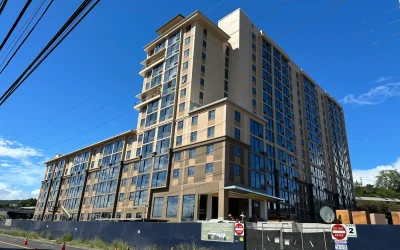
Finding a stable, high-quality place to live in the Hawaiian Islands continues to be one of the most significant challenges facing local families. With average private market rental prices for a two-bedroom apartment regularly exceeding $2,200 per month, over 60% of Hawaii renters are classified as housing cost-burdened—meaning they pay more than 30% of their gross monthly earnings toward rent and basic utilities.
Currently, Hawaii’s affordable housing waiting lists hold over 50,000 active households. For many local families, the prospect of waiting years for a municipal opening can feel overwhelming. However, securing a high-quality, income-restricted rental is highly achievable if you understand how different state and federal programs operate, organize your financial documents in advance, and apply to properties strategically.
At Hawaii Affordable Properties, Inc. (HAPI), we have spent over three decades helping local families find stable homes. Locally owned and operated in the islands since 1992, we manage over 4,000 apartments across 33 projects statewide.
This comprehensive 2026 guide explains how affordable housing programs operate across Hawaii, details county-specific income limits, and provides a step-by-step roadmap to guide your family through the application process.
Understanding Affordable Housing Programs in Hawaii
Affordable housing does not refer to a single government program. Instead, it represents a diverse network of federal, state, and county initiatives designed to make rental costs manageable. In Hawaii, affordable housing falls into two primary categories:
1. Voucher-Based Assistance (Portable Subsidies)
The HUD Section 8 Housing Choice Voucher program is a portable subsidy. Once awarded a voucher by your county housing authority, you select a compliant private unit on the open market, and the program covers the rent portion exceeding 30% of your adjusted monthly income.
While vouchers offer exceptional geographic flexibility, county waiting lists are highly competitive and frequently closed to new applicants.
2. Project-Based Housing (Property-Specific Subsidies)
Unlike vouchers, project-based assistance is tied directly to the physical apartment unit. To receive the benefit, you must reside in that specific building.
The largest source of project-based rentals in Hawaii is the Low-Income Housing Tax Credit (LIHTC/Section 42) program. LIHTC properties are privately owned and professionally managed communities that set flat, below-market capped rents tied to county Area Median Income (AMI) brackets.
Because LIHTC waitlists are managed individually by property rather than through a slow, centralized government queue, they typically move much faster, with average placement timelines ranging from 6 to 18 months.
Who Qualifies for Affordable Housing in Hawaii?
To qualify for placement, your household’s total gross annual income (before taxes and deductions) must fall below county limits published annually by HUD.
2026 Hawaii County-by-County Income Limits (Family of 4)
| County Jurisdiction | 30% AMI Limit (Extremely Low) | 50% AMI Limit (Very Low) | 60% AMI Limit (Workforce Tier) | 80% AMI Limit (Low Income) |
|---|---|---|---|---|
| Honolulu (Oahu) | ~$40,380 | ~$66,500 | ~$79,800 | ~$106,400 |
| Maui County | ~$38,100 | ~$62,100 | ~$74,520 | ~$99,360 |
| Kauai County | ~$37,050 | ~$61,200 | ~$73,440 | ~$97,920 |
| Hawaii (Big Island) | ~$34,290 | ~$56,500 | ~$67,800 | ~$90,400 |
Data metrics track active 2026 HUD and HHFDC indexing. Limits vary significantly based on your household size. To verify your specific bracket, use our AMI Eligibility Checker.
Calculating Your Adjusted Income Under HOTMA Rules
Under active HOTMA (Housing Opportunity Through Modernization Act) federal guidelines, your eligibility is based on your gross annual earnings for all adult occupants (18+). However, you can subtract specific allowable deductions to determine your final adjusted income:
- Dependent Allowance: $480 deducted annually for each dependent under 18, full-time student, or person with disabilities.
- Elderly/Disabled Family Allowance: $400 deducted annually per household if the head, co-head, or spouse is elderly (62+) or disabled.
- Unreimbursed Medical Expenses: For elderly or disabled households, out-of-pocket medical costs exceeding 3% of your gross annual income are fully deductible. Choosing comprehensive health insurance plans in Hawaii through providers like HMAA can help households maintain complete records of these eligible deductions.
- Asset Limitations: Households holding more than $100,000 in certified net liquid assets (excluding standard retirement accounts or approved trusts) are legally excluded from participating in subsidized housing.
Zoning, Background, and Priority Guidelines
- VAWA Protections: Under the Violence Against Women Act, survivors of domestic violence receive special housing protections and priority placement regardless of immigration status.
- Background Screening: To ensure community safety, all applicants undergo standard background reviews. Lifetime sex offender registration and methamphetamine production on federally assisted property are automatic disqualifications under HUD rules. Past misdemeanors or credit issues are evaluated on a case-by-case basis.
Finding Open Waiting Lists and Available Properties
Because waitlists for state-run public housing and Section 8 vouchers are frequently backlogged or closed, applying directly to individual, project-based LIHTC communities is the most effective path to securing a home.
The HAPI Application and Integration Roadmap
| Step | Action Required | Key Focus |
|---|---|---|
| Step 1: Check Waitlists | Research Active Property Openings | Browse our statewide property directory to identify which of our 33 projects on Oahu, Maui, Kauai, or the Big Island match your location preferences. |
| Step 2: Submit Application | Compile HAPI Property Packets | Complete the preliminary pre-application forms online or visit a local office. No administrative fees are charged to join a HAPI property waitlist. |
| Step 3: Income Verification | Execute Rigorous HOTMA Auditing | Gather photo IDs, Social Security cards, birth certificates, pay stubs, bank statements, and tax returns for our compliance team to review. |
| Step 4: Interview & Move-In | Complete Lease Signing & Inspection | Attend your final eligibility interview, perform a safety walk-through, sign your lease, and coordinate your move-in date. |
Recognizing and Avoiding Rental Scams
Because demand for affordable housing is high, renters can be targeted by fraudulent listings. Legitimate property managers like HAPI will never charge application screening fees exceeding $25 to $35 per adult, will always provide a licensed broker credential, and will never demand wire transfers or cash deposits before you have completed a formal eligibility interview and physical property walk-through.
Required Documentation and Application Process
According to research from the National Housing Law Project, over 40% of delayed applications stem from incomplete income documentation, and 25% from missing signatures. Having your documents fully organized in a single binder is essential to preventing delays:
- Proof of Identity: Government-issued photo IDs for all adults, physical Social Security cards, and birth certificates for all household members.
- Proof of Income: Three consecutive months of current pay stubs, tax transcripts, and benefit award letters (SSI, TANF, VA) dated within 12 months.
- Self-Employment Verification: Self-employed or gig-economy workers must present clear, current profit-and-loss statements alongside their tax returns. Utilizing professional bookkeeping and accounting services from a firm like Vertaccount helps ensure your financial records are audit-ready.
- Alternative Residency Proof: Utility statements or lease agreements verifying your current physical residency in Hawaii.
Replacing Lost Documents in Hawaii
If you are missing key identification documents, begin the replacement process immediately:
- Birth Certificates: Replacement copies are processed through the Hawaii Department of Health, taking 4 to 6 weeks with a $10 administrative fee.
- Social Security Cards: Replacements are free and typically take 2 to 3 weeks when requested online or at a local SSA office.
- State IDs: Issued same-day at your county Department of Motor Vehicles (DMV) for a $40 fee.
Understanding Rent and Move-In Costs
Rent calculation models depend entirely on the program funding your specific unit:
Voucher Rent Calculation: Under the Section 8 program, your monthly rent is calculated dynamically using the 30% formula:
Monthly Renter Payment = Adjusted Monthly Income x 0.30
LIHTC Flat-Rate Calculation: Tax credit properties set fixed maximum rent caps tied to county Area Median Income tiers. For example, a 2-bedroom LIHTC apartment on Oahu at the 60% AMI tier features a stable, flat monthly rent of approximately $1,644, significantly below market averages.
Financial Assistance Resources
If you need financial help covering upfront security deposits (typically limited to one month’s rent) or first month’s rent, several local programs offer case-by-case assistance:
- Catholic Charities Hawaii: Provides emergency financial assistance and housing placement support.
- Aloha United Way (211): Connects families to localized utility and rental assistance funds.
- The Salvation Army: Offers emergency relief grants up to $500 for qualified working households.
Strengthening and Tracking Your Application
Applying for affordable housing requires careful organization. To maximize your chances of a successful lease-up:
- Create an Application Log: Track your submissions in a simple spreadsheet, noting the property name, application date, contact name, and monthly follow-up dates.
- Draft a Mitigating Letter: If you have past credit challenges or a previous eviction, compile a clear, written explanation outlining the circumstances (such as past medical challenges) and demonstrating your current housing stability and steady income.
- NSPIRE Safety Standards: All subsidized rental properties must pass rigorous safety checks under the HUD NSPIRE framework. HAPI partners with certified local specialists, including licensed electrical contractors in Hawaii, to ensure that life-safety and electrical infrastructure remain strictly compliant.
Partner with Hawaii’s Local Housing Experts
Navigating the affordable housing application process requires patience and preparation, but securing a safe, affordable, and high-quality home provides an invaluable foundation of stability for your family.
HAPI is 100% locally owned and operated in Hawaii. Since 1992, we have helped over 10,000 residents find stable homes across Oahu, Maui, Kauai, and the Big Island. Our team of 200+ local specialists is dedicated to supporting your housing search from application to move-in day.
Verify your eligibility, organize your documentation, and contact our regional offices to take your next step toward housing security today.