For thousands of families, working professionals, and kupuna across Hawaii, searching for “low-income housing for rent near me” is more than a simple internet query—it is a critical search for stability, safety, and a future in the islands.
With Hawaii’s private market-rate rental prices ranking among the highest in the United States, keeping up with the first of the month has become an unsustainable burden for local households. Currently, over 42% of Hawaii renters are classified as housing cost-burdened, spending more than 35% of their gross paychecks on rent alone.
Finding a safe, well-maintained, and truly affordable home is highly achievable if you understand how different subsidized programs operate in your specific county, what eligibility boundaries apply in 2026, and how to prepare a complete application.
At Hawaii Affordable Properties, Inc. (HAPI), we have spent more than three decades helping local residents find stable homes. Locally owned and operated in the islands since 1992, we manage over 4,000 apartments across 33 projects on Oahu, Maui, Kauai, and the Big Island.
This comprehensive guide breaks down Hawaii’s low-income rental options near you, details active 2026 county income limits, and provides a clear, step-by-step roadmap to guide you from your initial search to move-in day.
What Qualifies as Low-Income Housing in Hawaii?
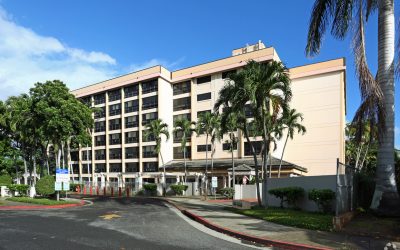
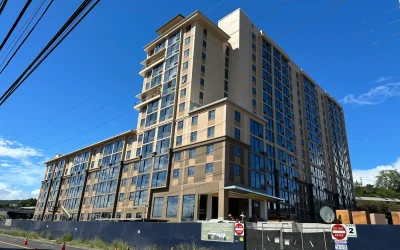
A common misconception in Hawaii is that subsidized housing represents low-quality construction or institutional buildings. In reality, modern low-income housing communities are well-maintained, energy-efficient properties fully integrated into established residential neighborhoods near schools, bus routes, shopping centers, and medical hubs.
Under guidelines set by the U.S. Department of Housing and Urban Development (HUD), housing is considered affordable when a household’s monthly housing costs—including rent and estimated utility services—are capped at no more than 30% of their adjusted gross monthly income.
The formula used to calculate your target monthly housing budget is:
Affordable Monthly Rent = Adjusted Monthly Income × 0.30
If a local household brings in a certified, adjusted monthly income of $2,800, their personal rent portion is restricted to:
$2,800 × 0.30 = $840 per month
Depending on the specific property you apply for, your rent will either be calculated dynamically based on this 30% ratio (such as HUD Section 8 or Section 202 programs) or set as a flat, below-market capped rate (such as the Low-Income Housing Tax Credit, or LIHTC, program) that is highly competitive with market averages.
2026 Income Limits: Do You Qualify in Your County?
To qualify for placement in an affordable rental, your household’s total gross annual earnings (before taxes) must fall below the Area Median Income (AMI) limits established for your specific county. Because the cost of living varies across the islands, HUD updates these county-by-county limits annually.
The table below outlines the active 2026 HUD low-income ceilings for one-, two-, and four-person households in Hawaii:
2026 Hawaii County-by-County Low-Income Limits
| County Jurisdiction | 50% AMI Limit (1 Person) | 50% AMI Limit (4 People) | 60% AMI Limit (1 Person) | 60% AMI Limit (4 People) |
|---|---|---|---|---|
| Honolulu (Oahu) | ~$46,550 | ~$66,500 | ~$55,860 | ~$79,800 |
| Maui County | ~$42,300 | ~$60,450 | ~$50,760 | ~$72,540 |
| Kauai County | ~$41,200 | ~$58,800 | ~$49,440 | ~$70,565 |
| Hawaii (Big Island) | ~$38,100 | ~$54,400 | ~$45,720 | ~$65,280 |
Data parameters track active 2026 HUD and HHFDC schedules. To calculate limits for larger household sizes, use our HAPI AMI Eligibility Checker.
Federal Income and Asset Rules (HOTMA Compliance)
Under active HOTMA (Housing Opportunity Through Modernization Act) federal guidelines, compliance managers must evaluate all recurring sources of household income, including wages, Social Security, child support, alimony, and pension payouts.
Additionally, standard asset limitations apply: households holding more than $100,000 in certified net liquid assets (excluding standard retirement accounts or approved trusts) are legally excluded from participating in subsidized housing.
Affordable Housing Programs Near You: Finding the Right Match
HAPI holds extensive federal and state certifications to manage every major affordable rental program in Hawaii. Depending on your location and income, we can help you find placement in:
1. LIHTC Tax Credit Communities
The Low-Income Housing Tax Credit (LIHTC) program is the largest source of affordable rentals in the state. Rents are set as flat, below-market capped rates tied to specific income tiers (usually the 50% or 60% AMI tier). This structure provides exceptional budget predictability for local working families, young professionals, and seniors.
2. HUD Section 8 & Project-Based Assistance
These programs attach the rental subsidy directly to the apartment unit or provide portable Housing Choice Vouchers that move with you. Rent is strictly capped at 30% of your adjusted monthly income, with the federal program subsidizing the remaining balance directly to the property manager.
3. HUD Section 202 Senior Housing
Designed specifically for independent kupuna aged 62 and older with low-to-very-low incomes. These properties include accessible structural layouts and supportive common spaces to help residents age in place comfortably.
4. USDA Rural Development (Section 515)
These properties provide high-quality multi-family rentals in rural neighbor island communities (on the Big Island, Kauai, and rural Maui). When paired with Section 521 Rental Assistance, a resident’s monthly rent is capped at 30% of their adjusted income.
HAPI’s Statewide Coverage: Properties Across the Islands
With local management offices on Oahu and the Big Island, and portfolios extending to Maui and Kauai, HAPI provides a hands-on presence to keep our communities safe, compliant, and responsive:
- Oahu & Honolulu: High-quality urban and suburban family developments situated in Kalihi, Waipahu, Kapolei, Ewa, and Makiki—located close to municipal bus lines, schools, and downtown employment hubs.
- Hawaii County (Big Island): Spacious multi-family properties and senior independent living campuses located in Hilo, Kailua-Kona, Kaʻu, and Waimea, providing quiet, comfortable communities close to local clinics and parks.
- Maui & Kauai: Turnkey workforce housing complexes, family apartments, and senior-restricted properties designed to support local hospitality workers, essential professionals, and local kupuna.
The Simple 4-Step Application and Move-In Process
Applying for an affordable rental does not have to feel like solving a complex puzzle. At HAPI, we have streamlined our application process to help you move in as quickly as possible once a unit becomes available:
[1. Inquiry & Eligibility] ──► Compare your income & family size to property AMI tiers.
│
▼
[2. Application Submission] ──► Submit your completed intake forms and required documentation.
│
▼
[3. Compliance Audit] ──► Flawless review of your income stubs, bank statements, and ID files.
│
▼
[4. Approval & Move-In] ──► Complete the physical walk-through, sign your lease, and receive keys.
- Inquiry & Eligibility: Browse our statewide listings and compare your household size and gross income against designated AMI brackets using our digital tools.
- Application Submission: Complete the application forms with our assistance. Our leasing agents provide a thorough document checklist to help you compile your file correctly.
- Approval & Waitlist: We review applications in the order received, conducting standard credit and criminal background screenings. While we forgive past medical or student debt, we look for a consistent history of reliable rent payments.
- Move-In & Support: Once approved, we coordinate your move-in safety inspection, review your lease, and hand over your keys. Average placement timelines across our portfolio range from 6 to 18 months, significantly faster than municipal housing queues.
Calculate your upcoming moving costs and estimate security deposit requirements with the HAPI Paycheck Pacer Tool.
Frequently Asked Questions (FAQ)
How long is the waitlist for affordable housing in Hawaii?
Wait times fluctuate by property and island county. Some of our neighbor island properties currently have immediate openings with processing timelines of six to eight weeks. High-demand family communities on Oahu may maintain waitlists ranging from several months to two years depending on resident turnover.
What documents do I need to submit to apply?
You will need a government-issued photo ID for all adult occupants (18+), physical Social Security cards for all household members, birth certificates for minor children, consecutive pay stubs for the past three months, two years of tax returns, and previous landlord references.
Are pets allowed in HAPI-managed communities?
Pet rules vary across our 33 projects. Many properties allow small household pets (under specific weight limits) with a standard security deposit. Under Fair Housing guidelines, certified Service Animals and Emotional Support Animals (ESAs) are fully accommodated in all HAPI units with zero pet deposits or monthly fees.
What physical quality standards apply to these rentals?
To guarantee healthy, high-quality living conditions, all our properties undergo regular physical evaluations under HUD’s updated NSPIRE (National Standards for the Physical Inspection of Real Estate) guidelines. These standards prioritize active life-safety systems, including functional 10-year sealed smoke alarms and GFCI safety outlets near all water sources.
Access Our Free Online Planning Resources
We offer free, interactive digital tools to support your housing search and help you plan your household budget:
Find Your Affordable Rental with HAPI
You cannot get off a waitlist you are not on. Taking 10 minutes to submit your preliminary paperwork is your first step toward securing housing stability and peace of mind for your family.
HAPI is 100% locally owned and operated in Hawaii. Since 1992, we have helped over 10,000 residents find stable, high-quality homes. Our team of 200+ local housing specialists is dedicated to supporting you from your initial application to move-in day and beyond. Contact our regional offices today to speak with a housing specialist and find your home in the islands.