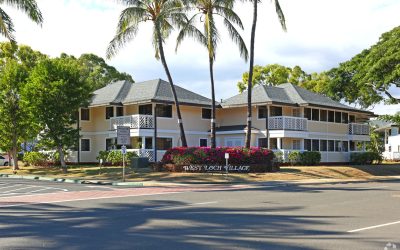
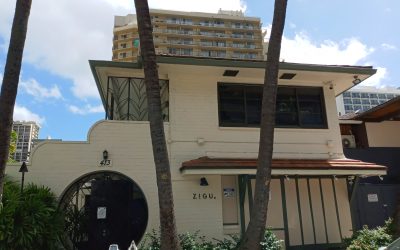
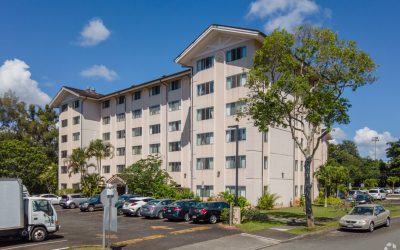
Retiring in Hawaii is a dream shared by many, but local seniors often worry about how to balance a fixed retirement budget with the state’s high cost of living. When median home prices hover at historic highs and private market-rate apartments demand premium rates, finding a stable, budget-friendly place to live can feel overwhelming. Many kupuna face the stressful prospect of having to leave the islands—and the ohana they love—just to find affordable housing.
Fortunately, retiring in paradise does not have to mean sacrificing your financial peace of mind. Active, independent retirement communities exist across all four major islands, offering income-qualified seniors modern, stable, and highly supportive living environments.
By leveraging federal programs like the Low-Income Housing Tax Credit (LIHTC/Section 42), HUD Section 202, and USDA Rural Development, these communities keep monthly rents manageable for seniors on fixed incomes.
At Hawaii Affordable Properties, Inc. (HAPI), we have spent over three decades helping local kupuna find their homes. As a locally owned property management company founded in the islands in 1992, we manage over 4,000 apartments across 33 projects statewide.
This comprehensive 2026 guide explores how active senior communities operate in Hawaii, outlines current eligibility requirements, and explains how partnering with a dedicated local management team makes all the difference.
Defining Affordable Independent Living for Active Seniors
A common misconception is that affordable senior housing represents clinical nursing homes or institutional facilities. In reality, our active retirement communities are designed explicitly for independent senior living.
Residents occupy their own private, modern apartments, manage their daily schedules, cook their own meals, and live autonomously within a welcoming, peer-focused neighborhood.
To ensure true affordability, these properties operate under federal guidelines that cap housing costs (including rent and estimated utilities) at approximately 30% of a household’s adjusted gross monthly income.
Capped Monthly Senior Rent = Adjusted Monthly Income × 0.30
Under this formula, if a senior’s combined monthly income from Social Security, a pension, and modest retirement distributions totals $2,200, their personal rent portion is limited to roughly $660 per month.
For buildings without direct income-based subsidies, flat-rate LIHTC apartments provide excellent stability with rent caps set well below market averages (typically ranging from $800 to $1,500 per month depending on the unit size and island county).
What Makes Hawaii’s Active Retirement Communities Unique?
Choosing to spend your retirement years in a dedicated HAPI community in Hawaii offers distinct health, cultural, and social benefits:
- Year-Round Health and Wellness: Hawaii’s consistent, comfortable climate (ranging between 70°F and 85°F) encourages year-round outdoor activity. Seniors can walk, garden, and socialize outdoors daily without being restricted by extreme winter weather or summer heat.
- The Strength of local Ohana: Our active communities focus heavily on building strong social connections. HAPI properties foster vibrant neighborhood environments with shared community centers, common garden plots, and resident-led activities—averaging over eight social gatherings per resident monthly.
- A Culture of Respect for Kupuna: Hawaii’s unique, multicultural heritage places deep value on our kupuna. Seniors are respected, included, and celebrated as vital pillars of the neighborhood.
Statewide Coverage: Senior Communities Across the Islands
Because HAPI operates on all four major Hawaiian islands, we can help seniors find the ideal regional setting that matches their personal lifestyle and healthcare needs:
HAPI Statewide Senior Housing Matrix
| Island Region | Neighborhood Environment | Primary Subsidized Frameworks | Island Management Focus |
|---|---|---|---|
| Oahu | Vibrant, walkable urban sectors near transit lines and medical centers. | LIHTC, HUD Section 202, Project-Based Section 8 | High-density convenience in town & central plains |
| Big Island (Hawaii) | Spacious, scenic campus settings with strong community center focus. | LIHTC, USDA Section 515, HUD HOME | Independent senior neighborhood campuses (e.g., Hilo) |
| Maui County | Close-knit workforce housing complexes and mixed-income apartments. | LIHTC, HCDA State Housing Covenants | Quiet, community-focused neighbor island living |
| Kauai County | Low-density, peaceful properties surrounded by natural island beauty. | LIHTC, HHFDC Extended Use Provisions | Long-term preservation assets for local kupuna |
To compare specific amenities or check active waitlist openings across our neighbor island properties, visit our Statewide Property Directory.
Why Locally Owned Management Outperforms Mainland Firms
Managing affordable housing in Hawaii requires a level of regulatory and environmental expertise that remote, mainland-based firms simply cannot replicate from a distant office.
- Navigating Complex Compliance: Managing LIHTC, HUD, and USDA programs simultaneously requires strict file-auditing precision. HAPI’s compliance department utilizing specialized consulting services from Spectrum Enterprises to process all annual recertifications perfectly. This prevents the administrative errors that can threaten an owner’s tax credit status or a resident’s rental subsidy.
- Responsive, Environmental Maintenance: Hawaii’s humid, salty air accelerates wear on building systems. Our local, on-island maintenance technicians understand how to protect properties from tropical weather, termites, and saltwater corrosion, responding to standard work orders within 24 hours.
- Cultural Connection and Care: Our staff members live on the islands they serve. We understand that “talk story” is not a distraction—it is how we build trust, show respect, and establish long-term relationships with our residents.
2026 Income Limits and Eligibility Requirements
To qualify for placement in an affordable active senior community, applicants must satisfy age, income, and background guidelines updated for 2026.
1. Age Thresholds
To qualify for senior-specific housing (such as HUD Section 202 developments), at least one member of the household must be 62 years of age or older at the time of lease signing. Some LIHTC workforce communities accommodate active seniors beginning at 55 years of age.
2. County Income Limits (Oahu vs. Big Island)
Because income thresholds are tied directly to county Area Median Income (AMI) averages, eligibility ceilings vary by island:
- Oahu (Honolulu County) 60% AMI Cap: Single-person senior households qualify with annual gross incomes up to $55,860.
- Big Island (Hawaii County) 60% AMI Cap: Single-person senior households qualify with annual gross incomes up to $50,820.
To verify your specific county’s multi-member thresholds, check current limits on the HAPI AMI Eligibility Checker.
3. The HOTMA Asset Ceiling
Under active HOTMA (Housing Opportunity Through Modernization Act) guidelines, seniors can hold standard retirement accounts or pensions. However, households with more than $100,000 in certified net liquid assets are legally excluded from participating in federally subsidized rental programs.
The Simple, Respectful Step-by-Step Application Process
We strive to make the application journey as straightforward and stress-free as possible for our kupuna:
- Initial Inquiry: Contact our regional offices by phone or online. We will discuss your preferred island location, budget, and physical accessibility needs.
- Eligibility Pre-Screening: Our leasing specialists will review your gross income against current HUD county brackets to identify the best program match.
- Document Verification: We assist you in gathering necessary verifications, including your 2026 Social Security Award Letter, three consecutive months of bank statements, and tax files.
- Placement and Move-In: Once approved, we guide you through an initial walk-through inspection, clear lease orientation, and help you transition into your new community.
While state-managed public housing lists are often backlogged for years, HAPI’s average placement timelines range between 6 and 18 months because we coordinate vacancies across 33 properties simultaneously.
Plan your upcoming relocation budget and estimate upfront moving costs with the Paycheck Pacer Tool.
Frequently Asked Questions (FAQ)
Is an active retirement community the same as assisted living?
No. Our properties are designed for independent living. Residents must be able to manage their daily activities safely and autonomously. We do not provide on-site medical care, daily medication management, or personal care assistance.
What if I require physical accessibility modifications?
All HAPI-managed senior units comply fully with federal ADA standards, offering elevators, wheelchair ramps, and wide entryways. Residents requiring localized adjustments—such as bathroom grab bars—can request a reasonable modification during their intake interview.
Are pets allowed in HAPI’s active senior communities?
Yes, under designated guidelines. Many of our properties allow small household pets with a standard security deposit. Additionally, certified Service Animals and Emotional Support Animals (ESAs) are fully accommodated in all units with zero pet deposits or fees under Fair Housing protections.
How does the annual recertification process work?
Federal programs require an annual verification of your household income and composition. HAPI’s compliance team will contact you 90 days before your anniversary date to gather updated records. The meeting takes roughly 30 minutes, and we handle all federal reporting on your behalf.
Take the Next Step Toward Your Island Retirement
Your retirement years should be spent enjoying the beauty of Hawaii, surrounded by a supportive community that respects your independence. Don’t let rising market rents force you to consider leaving the home you love.
HAPI has been a trusted local housing provider since 1992. Contact our regional leasing specialists today to find a safe, stable, and affordable community where you can thrive.