For local working families, living close to the economic core of urban Honolulu can feel out of reach when private market-rate rental prices consistently outpace household wages. Finding a multi-bedroom apartment near downtown employment hubs often means confronting market rents that consume 40% to 50% of an average paycheck. This forcing many families to choose between exhausting island commutes from the leeward coast or leaving Hawaii altogether.
Securing housing in urban Honolulu shouldn’t mean sacrificing financial stability. Centrally located neighborhoods like Chinatown and Kakaako are shifting the urban housing landscape through income-restricted workforce housing initiatives.
By leveraging federal Low-Income Housing Tax Credits (LIHTC) and municipal Transit-Oriented Development (TOD) frameworks, these urban sectors deliver modern, affordable rental spaces tailored specifically for local families. This comprehensive 2026 guide details the rental landscape across Chinatown and Kakaako, explores active area income limits, and highlights how Hawaii Affordable Properties, Inc. (HAPI) helps working households secure a home in town.
The Benefits of Urban Core Living for Island Families
Choosing an apartment inside Honolulu’s urban core offers distinct lifestyle and financial advantages for growing families. By living closer to work and school, households can reduce the time and expense spent on daily travel.
The Walkable Neighborhood Grid
Both Chinatown and Kakaako feature high walkability metrics. Living in town means grocery stores, medical clinics, localized pharmacies, and public schools are accessible on foot or via short transit routes. Families can manage daily tasks without being entirely dependent on a vehicle, lowering gas and auto expenses.
Transit-Oriented Integration
With the expansion of the Skyline rail corridor moving closer to the urban center and extensive bus lines routing directly through the King and Beretania street veins, commuting across the island is straightforward. Municipal housing strategies actively prioritize new affordable construction along these transit pathways. This approach allows local workers to live, work, and access childcare without facing hours of traffic on the H-1 freeway.
Chinatown: Cultural Heritage and Centrally Located Housing
Honolulu’s historic Chinatown is one of the most culturally vibrant and densely populated urban neighborhoods in the state. Surrounded by traditional open-air markets, localized produce stalls, family-owned restaurants, and dynamic art galleries, living in Chinatown embeds your family in a close-knit neighborhood.
Key Affordable Footprints in Chinatown
Affordable multi-family housing in this sector is highly sought after, relying on public-private partnerships to keep lease rates affordable. Flagship community footprints include:
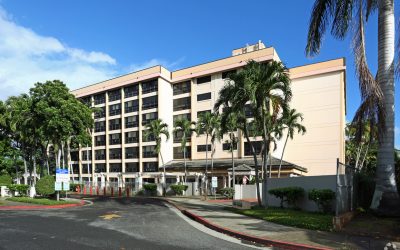
- Harbor Village: A prominent mixed-use development managed under high structural standards, positioning 90 residential units inside a mid-rise tower directly above convenient ground-floor commercial spaces. It places one- and two-bedroom family layouts within walking distance of the financial center and Honolulu Harbor.
- Kekaulike Courtyards: A specialized mid-rise community offering central urban access alongside active residential support services, including localized language translation resources and energy bill reduction program mapping.
To build on these foundations, the City and County of Honolulu recently acquired properties along the corner of North Pauahi and River streets for future affordable development, expanding housing inventory in this high-demand urban core.
Kakaako: Modern Multi-Family Housing and Workforce Tiers
Directly adjacent to the downtown corridor sits Kakaako, a master-planned neighborhood that has evolved into a hub for modern, high-density residential living. Kakaako provides an urban setting with wide sidewalks, community green spaces, and family-friendly recreation zones like Ala Moana Beach Park and the SALT retail district.
The Capital Pipelines Shaping Kakaako
Workforce rentals in Kakaako are largely developed under the guidance of the Hawaii Community Development Authority (HCDA) and the HHFDC. These state bodies mandate strict affordable set-asides within new developments, ensuring local workers are not locked out by luxury high-rise construction. Notable affordable housing assets include:
- The Flats at Puʻunui: An 88-unit residential community situated on Keawe Street, offering layouts up to three bedrooms. It features family amenities like a rooftop deck and close proximity to local grocery options.
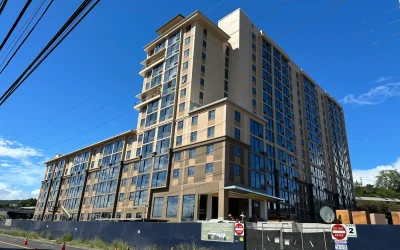
- Nohona Hale: A 16-story high-rise on Cooke Street providing modern independent apartments, community gardens, and specialized storage spaces designed for active island living.
- The Waiakoa Master Plan: A massive multi-acre joint venture breaking ground along Auahi Street, designed to introduce over 1,000 new residential choices, with 60% of total units permanently reserved for affordable workforce housing.
2026 Income Limits for Honolulu County Apartments
To qualify for an affordable family placement within these urban neighborhoods, your household’s gross annual income must fall below specific thresholds indexed to Honolulu County’s Area Median Income (AMI).
2026 Honolulu County (Oahu) Income Limits
| Household Density Size | 50% AMI Ceiling (Very Low) | 60% AMI Ceiling (LIHTC Tier) | 80% AMI Ceiling (Workforce Max) |
|---|---|---|---|
| 2 People | ~$53,200 | ~$63,900 | ~$85,200 |
| 3 People | ~$59,850 | ~$71,900 | ~$95,850 |
| 4 People | ~$66,500 | ~$79,850 | ~$106,500 |
| 5 People | ~$71,850 | ~$86,250 | ~$115,000 |
Data metrics reflect updated 2026 HUD and Hawaii Housing Finance & Development Corporation (HHFDC) allocations. If your household footprint exceeds 5 individuals, review expanded limit rules with our leasing office.
Documentation Expectations Under HOTMA
Under current HOTMA (Housing Opportunity Through Modernization Act) federal guidelines, property compliance units must verify all active revenue streams before processing a lease. Applicants must supply:
- Three consecutive months of verified pay stubs and most recent W-2 forms.
- Official benefit statements for recurring child support, alimony, or Social Security Disability (SSDI).
- Complete tax returns and profit-and-loss (P&L) statements if you are self-employed or participate in the gig economy.
- The Household Inclusion Rule: Every individual who will reside in the unit—including minor children, elderly dependents, and full-time students—must be documented to establish your household size and appropriate AMI ceiling.
Trust a Local Management Partner to Guide Your Journey
Where you rent is just as important as your program eligibility. Mainland-based management companies often manage properties remotely using automated algorithms that lack insight into the unique realities of island life.
HAPI is 100% locally owned and operated. Since 1992, we have grown to manage a $300+ million property portfolio spanning 33 projects across four islands.
- On-Island Compliance Teams: Our staff manages all tenant qualification files and annual recertifications using professional compliance tracking software from Spectrum Enterprises, ensuring your family’s housing status remains secure under federal rules.
- Boots-on-the-Ground Maintenance: We employ local on-site maintenance technicians to handle routine upkeep and respond promptly to 24/7 emergency repair work orders.
- Dedicated Customer Support: Our local leasing specialists speak multiple languages common in our island communities—including Tagalog, Ilocano, Cantonese, Mandarin, and Japanese—to ensure clear communication throughout your application process.
Secure Your Family’s Future in Town
Your family deserves to grow up in a safe, high-quality community with housing costs that leave room in your budget for daily necessities. Choosing an income-restricted apartment in Chinatown or Kakaako keeps you connected to town while protecting your financial peace of mind.
Filing your preliminary intake paperwork is free and serves as your first step toward establishing a priority waitlist date. Connect with our Honolulu leasing teams today to view current property availabilities and start your application.