Table of content
- West Oahu vs. Town: Choosing the Right Affordable Community for Your Family
- The Case for Kapolei (West Oahu)
- The Case for “Town” (Honolulu/Kaka’ako)
- Comparison Table: The Trade-Offs
- The Hidden Cost of Commuting
- The “Third Place” Factor: Parks & Malls
- Neighborhood Vibe Check
- Frequently Asked Questions
For decades, the choice for Oahu renters was simple: You lived in “Town” (Honolulu) to be close to work, or you moved to the “Country” (Ewa/Kapolei) for affordable space.
In 2026, that binary is dead. With the full expansion of the Skyline Rail and the commercial boom of the “Second City” in Kapolei, West Oahu is no longer just a bedroom community—it is a destination. Meanwhile, urban Honolulu has transformed into a walkable, high-density hub where you can live without a car.
At HAPI, we manage family communities in both urban Honolulu and West Oahu. We see families struggle with this choice every day. Here is a detailed breakdown of the pros, cons, and costs to help you decide where to plant your roots.
The Case for Kapolei (West Oahu)
Space to breathe and grow.
Who it’s for: Growing families, pet owners, and anyone who prefers a weekend BBQ in the yard over nightlife in the city.
- The Lifestyle: Kapolei was master-planned to be the “Second City,” and in 2026, it finally feels like one. It offers a modern, suburban experience that is rare in Hawaii. You have wide sidewalks for strollers, massive green spaces like the Kapolei Regional Park, and big-box convenience at your doorstep. The Ka Makana Ali’i mall has become the new community hub, meaning you no longer have to drive to Ala Moana for movies, dining, or shopping.
- The Commute Factor (2026 Update): The commute used to be the dealbreaker, but the Skyline Rail has changed the equation. With the line now operational from East Kapolei through the Airport to Kalihi (and the Civic Center station opening soon), the dynamic has shifted. You can park at the Keoneʻae station, hop on a train, and read a book in air-conditioned comfort while H-1 traffic crawls below you.
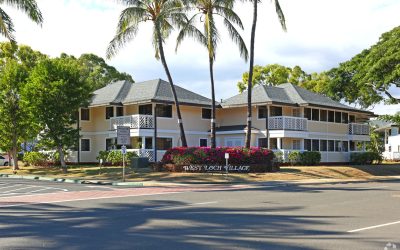
- Housing Stock: Affordable housing in West Oahu offers more “bang for your buck.” HAPI properties like Kekuilani Courts feature townhome-style layouts. Here, “affordable” often means 2 or 3 bedrooms, a small private lanai for plants, and—crucially—dedicated parking. If you have two cars and a dog, this is your sanctuary.
The Case for “Town” (Honolulu/Kaka’ako)
Action, access, and connectivity.
Who it’s for: Seniors who want independence, young professionals building careers, and service workers who want to ditch the expense of a car.
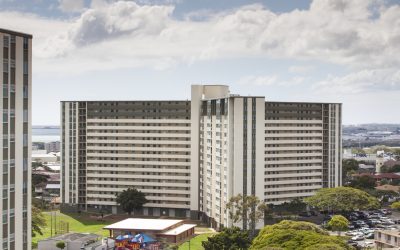
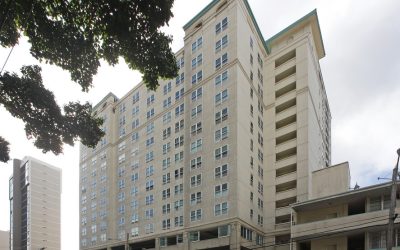
- The Lifestyle: Living in urban Honolulu is about density and energy. In a high-rise like Pohulani Senior Living, your “backyard” is the city itself. You are steps away from Longs Drugs, Times Supermarket, and the medical hub of Queen’s and Straub hospitals. For kupuna, this walkability is freedom—you don’t need to rely on family for rides.
- The Commute Factor: The biggest luxury in Town is time. If you work in Waikiki, Downtown, or Kaka’ako, your commute is measured in minutes, not hours. By living centrally, you save the 10+ hours a week that West Oahu residents spend in transit. That is 10 extra hours for sleep, exercise, or a second job.
- Housing Stock: The trade-off is space. Affordable units in Town are typically smaller (studios and 1-bedrooms) and older. Parking is the “Golden Ticket”—it is often waitlisted or costs an extra $150/month. But for many, trading square footage for a 15-minute bus ride to the beach is worth every penny.
Comparison Table: The Trade-Offs
What you get for your money.
| Feature | Kapolei (West Oahu) | Honolulu (Town) |
|---|---|---|
| Rent (2BR Affordable) | **$1,600 – $1,900** | $1,800 – $2,200 |
| Square Footage | Larger (800+ sq ft). | Smaller (600 sq ft). |
| Parking | Usually included (1-2 stalls). | Waitlist / Expensive ($150+). |
| Schools | Newer facilities (Kapolei High). | Older, established schools. |
| Vibe | Suburban / Family. | Urban / Busy. |
The Hidden Cost of Commuting
Gas vs. Rent: The Math.
Many people move to Kapolei to save $300 on rent, only to spend $400 on gas. Before you move, do the math.
- Kapolei Cost: If you drive a truck or SUV to town daily, you will burn roughly $250-$300/month in gas, plus wear and tear. Add parking in town ($200/month), and your “commute cost” is $500.
- Honolulu Cost: If you live in town, you might pay $200 more in rent, but you can walk or take a $80 bus pass.
- The Verdict: If you work in Kapolei (at the new industrial parks or hotels), living there is a no-brainer. If you work in Waikiki, make sure the rent savings justify the drive.
Tool Tip: Use our Hawaii Real Cost Budgeter to plug in your gas costs and see if the move actually saves you money.
The “Third Place” Factor: Parks & Malls
Where do you spend your Saturday?
West Oahu Wins for Keiki:
- Parks: Kapolei Regional Park and the new sprawling subdivisions offer massive green spaces for soccer and baseball.
- Shopping: Costco, Target, and Home Depot are all within a 5-minute drive, with ample parking. It is “easy living.”
Town Wins for Culture:
- Events: From the Kaka’ako Farmers Market to parades in Waikiki, the cultural heartbeat is in town.
- Beach Access: You are 10 minutes from Ala Moana Beach Park. In Kapolei, you are driving to White Plains or Ko Olina (which can have limited public parking).
Neighborhood Vibe Check
Where do you fit in?
Choose Kapolei/Ewa if:
- You have children who need a safe yard or park nearby.
- You own 2 cars and need reliable parking.
- You prefer weekend BBQs at the beach (White Plains/Ko Olina) over nightlife.
Choose Honolulu/Kalihi if:
- You rely on TheBus or Handi-Van for transportation.
- You want access to specialized medical care (Queen’s/Straub) within minutes.
- You value time over space and hate sitting in traffic.
Frequently Asked Questions
Is it hotter in Kapolei?
Yes. The Ewa Plain is generally 3-5 degrees warmer than Manoa or Nuuanu because it gets less trade wind rain. This is why checking for Split AC is critical when renting in the West.
Does the Skyline Rail actually help?
For downtown commuters, yes. It takes about 40 minutes from Kapolei to the urban core. It’s consistent. Driving the H-1 can take 45 minutes or 90 minutes depending on an accident. The reliability is the value.
Where is it easier to get Section 8 approved?
West Oahu. There is generally more inventory of “approved” units in Kapolei/Ewa Beach that meet HQS inspection standards compared to older buildings in Kalihi or McCully, which may have lead paint or deferred maintenance issues.
Are schools better in Kapolei?
“Better” is subjective, but they are newer. Schools like Ho’okele Elementary and Kapolei High have modern facilities and AC, which matters in August and September. Town schools often have more history and specialized programs, but older infrastructure.
Can I transfer between HAPI properties if I change jobs?
No. Each property has its own waitlist. If you live in Kapolei and get a job in Town, you must apply to the Town property as a new applicant. (See our Moving Guide).
Which Life Do You Want?
Do you want a yard for the kids, or a short walk to work? Both are valid choices. Browse our Listings to see availability in both neighborhoods today.