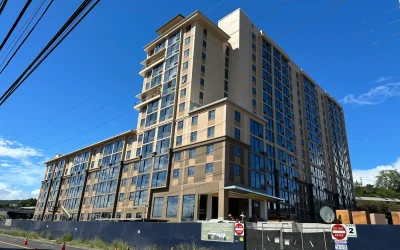
If you are a developer in Hawaii, you know the pain of the entitlement process. Getting a simple zoning change can take 5 years. Getting a building permit can take 18 months. In a market with high interest rates and construction costs, time kills deals.
But there is a “Nuclear Option” that savvy developers use to bypass almost all of this red tape. It is called Chapter 201H-38.
This state statute gives the Hawaii Housing Finance and Development Corporation (HHFDC) the extraordinary power to exempt affordable housing projects from “all statutes, ordinances, charter provisions, and rules” of any government agency.
Yes, you read that right. If your project qualifies, you can legally ignore zoning height limits, density caps, setback requirements, and even park dedication fees. At HAPI, we manage many 201H projects. Here is how the process works and why it is the most powerful tool in your capital stack.
What is a 201H Exemption?
The legislative fast track to bypassing zoning limits.
The State of Hawaii recognizes a harsh reality: standard zoning rules make affordable housing financially impossible to build. To solve this, the legislature created Chapter 201H-38, a powerful statute that allows qualified projects to override county laws.
Who Qualifies? (The “50% + 1” Rule) To trigger this statute, your project must meet a strict affordability threshold:
- The Mix: At least 50% + 1 of the total units must be reserved for households earning at or below 140% of the Area Median Income (AMI).
- The Term: These units must remain affordable for a significant period (often 45-61 years).
- The Rest: The remaining 49% of units can be market-rate, which helps developers subsidize the cost of the affordable units.
The Power of Exemptions: What You Can Waive Once eligible, you can request exemptions from “all statutes, ordinances, charter provisions, and rules” of any government agency relating to planning, zoning, and construction standards. Here are the most common (and valuable) waivers developers request:
1. Zoning & Land Use Changes:
-
- The Problem: You own a lot zoned “Industrial” or “Commercial,” but you want to build apartments.
- The Standard Fix: A Zone Change application takes 2-5 years and costs hundreds of thousands in consultant fees.
- The 201H Fix: The exemption allows you to build residential housing on non-residential land without changing the underlying zoning. This saves years of entitlement work.
2. Height & Density (FAR) Bonuses:
-
- The Problem: The zoning code limits you to 3 stories (40 feet), but you need 8 stories to make the numbers pencil out.
- The 201H Fix: You can request to double or triple the allowable density and height. If HHFDC and the City Council agree that the density is necessary for feasibility, you can build a 100-foot tower in a 40-foot zone.
3. Parking Reduction (The Cost Killer):
-
- The Problem: Honolulu zoning often requires 1.5 parking stalls per unit. Digging an underground garage costs ~$50,000 per stall.
- The 201H Fix: You can request to slash parking ratios significantly (e.g., to 0.5 stalls per unit), especially if your site is near the Skyline rail or major bus lines. This single waiver can save millions in construction costs.
4. Fee Waivers (Direct Cash Savings):
-
- The Problem: Pre-development fees can kill a project before it starts.
- The 201H Fix: You can request waivers for:
- Park Dedication Fees: Often saving $3,000-$5,000 per unit.
- Wastewater System Facility Charges: A massive savings for high-density projects.
- Building Permit & Plan Review Fees: Waiving the standard City fees.
Tool Tip: Not sure if your proposed rents fit the 201H criteria? Use our AMI Eligibility Checker to instantly see the 2026 income limits for your target demographic.
The “45-Day” Shot Clock
Speed is the feature.
The most powerful part of 201H isn’t just the waivers; it’s the statutory timeline. Standard entitlements can drag on indefinitely. 201H forces a decision.
The Process:
- HHFDC Approval: First, the HHFDC Board must approve your project concept and the specific exemptions you are requesting.
- City Council Submission: Once HHFDC approves, the package is sent to the City Council (or County Council on Neighbor Islands).
- The Clock Starts: By law, the Council has exactly 45 days to approve or deny the exemptions.
- The Automatic Approval: If the Council does not act (vote) within 45 days, the project exemptions are deemed approved automatically. This puts immense pressure on the county to move fast.
The Catch: It’s Not Free
You pay in affordability and labor costs.
To get these massive government perks, you must give something back. 201H is not a loophole for luxury condos; it is a contract for public benefit.
- Long-Term Affordability: You must commit to keeping the units affordable for a set period. While the statute allows flexibility, HHFDC typically requires a 45 to 61-year Regulatory Agreement to ensure the housing remains available for local families long-term.
- Prevailing Wage: 201H projects often trigger Davis-Bacon or Hawaii state prevailing wage requirements (Chapter 104) for construction. This can increase your hard costs by 20-30% compared to a private non-union job. You must model this delta in your pro forma.
- Community Support: Because you are bypassing standard zoning, neighborhoods often fight 201H projects aggressively (“NIMBYism”). You need a robust community relations strategy and political support before you file, or the Council may vote to deny simply to appease angry constituents.
Comparison: Standard Entitlement vs. 201H
Why developers choose the fast track.
| Feature | Standard Zoning (201M) | 201H Exemption |
|---|---|---|
| Timeline | 2-5 Years (Uncertain) | 6-9 Months (Total process). |
| Height Limit | Strict adherence to zoning map. | Flexible (Based on feasibility). |
| Fees | Full impact fees required. | Waived (Sewer, Park, Permit). |
| Affordability | Market Rate allowed. | 51% Affordable Required. |
| Labor Cost | Market / Open Shop. | Prevailing Wage (High). |
| Risk | High (Indefinite delays). | Medium (Political risk). |
201H vs. Bill 7: Choosing Your Lane
Don’t confuse the two major incentives.
Many developers mix up Chapter 201H (State) with Bill 7 (City). They are different tools for different projects.
- Use Bill 7 (Ordinance 19-8) IF: You have a small lot (under 20,000 sq. ft.) on Oahu, zoned Apartment/Business, and want to build a walk-up rental without prevailing wage requirements. It is a “By-Right” administrative process.
- Use 201H IF: You have a large project, need to change the zoning use (e.g., Industrial to Residential), need massive height/density variances, or are building on Neighbor Islands. It is a “Discretionary” political process.
Frequently Asked Questions
Does 201H apply to all islands?
Yes. It is a state statute that overrides county laws on Oahu, Maui, Kauai, and the Big Island. However, each County Council handles the approval process slightly differently. For example, Maui County has its own specific affordable housing code (2.96) that interacts with 201H.
Can I use 201H for a mixed-use project?
Yes. You can have commercial retail on the ground floor, provided the primary use of the project is housing. The commercial component is often critical to cross-subsidize the affordable rents and create a walkable community.
Do I need HAPI involved during the application?
Yes. HHFDC requires you to submit a “Management Plan” and proof of a qualified management agent as part of your initial 201H application. Having a seasoned manager like HAPI on your team gives the agency confidence that the project will remain compliant for the full 61-year term.
Can the City Council change my project during the 45 days?
Technically, yes. They can approve the project with modifications. For example, they might approve the zoning change but deny the requested height increase or parking reduction. You need to negotiate these terms with the Councilmember representing your district before the clock starts.
What happens if I sell the project later?
The 201H exemptions are tied to the Affordability Restriction. The restrictions run with the land. If you sell the project, the new owner must honor the affordability terms for the remainder of the 61-year contract. If they try to convert to market rate, the exemptions (and the Certificate of Occupancy) could be revoked.
Ready to Fast-Track Your Project?
Don’t let zoning kill your deal. Partner with a management team that understands the 201H regulatory environment. We can provide the Management Plan and operational budget you need for your HHFDC application.