At HAPI, we believe that property management is about more than just maintaining buildings; it is about maintaining lives. “Housing is the foundation, but community is the home.”
In 2026, the cost of living in Hawaii continues to challenge our working families and kupuna. As property managers, we are often the first line of defense. We see when a senior starts skipping meals. We know when a family is struggling to pay for school supplies. That is why we don’t work in a silo.
We rely on a robust network of local non-profits and charitable organizations to bring critical social services directly to our residents’ doorsteps. By integrating these resources into our affordable housing communities, we help stabilize families and allow seniors to age in place with dignity.
Here is an in-depth look at how we collaborate with Hawaii’s non-profit sector to support our ohana.
Supporting Our Kupuna: The Pohulani Model
Comprehensive wellness for aging in place.
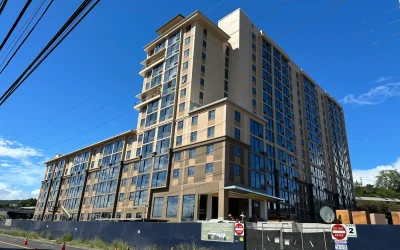
Our flagship senior property, Pohulani Senior Living in Kaka’ako, serves as a model for how affordable housing can function as a health hub. With hundreds of seniors aged 62+ living in one high-rise, it creates a unique opportunity to deliver concentrated care.
Key Partners & Programs:
- Lanakila Pacific: Food is medicine. Through their “Meals on Wheels” program, Lanakila ensures that our homebound seniors receive nutritious, hot meals delivered right to their apartment door. But the impact goes beyond nutrition; their volunteers provide a critical “wellness check” and daily social interaction for residents who might otherwise be isolated.
- Project Vision Hawaii: Accessing healthcare is hard when you don’t drive. Project Vision frequently parks their mobile medical units at our senior properties to provide free vision screenings, retinal scans, and basic health check-ups. For a senior with limited mobility, having a doctor come to them is a lifesaver.
- Catholic Charities Hawaii: We work closely with their senior case management teams to help residents navigate the complex world of Medicare/Medicaid, Social Security benefits, and transportation services like TheHandi-Van.
Fighting Food Insecurity in Hawaii
No family should have to choose between rent and groceries.
With Hawaii’s grocery prices remaining the highest in the nation, food insecurity is a silent crisis in many affordable communities. We actively combat this at our family properties like Kekuilani Courts and Lailani Apartments.
How We Connect:
- Hawaii Foodbank: We are not just a housing provider; we are a connector. Our resident service coordinators actively link families with the Foodbank’s “Ohana Produce Plus” distribution schedules. In times of acute need, we coordinate on-site drop-offs to ensure keiki have food during summer breaks when school lunches aren’t available.
- Aloha Harvest: This incredible organization rescues excess food from hotels and restaurants that would otherwise go to waste. We work to ensure our site staff are plugged into their network to redirect fresh produce and prepared meals to families in immediate need.
- The Salvation Army: Beyond food, they are a key partner for emergency disaster relief and holiday support, ensuring that low-income children in our buildings receive gifts during the Christmas season through the “Angel Tree” program.
Bridging the Digital Divide
Connecting residents to the modern world.
In 2026, internet access is not a luxury; it is a utility as essential as water. Yet, many of our kupuna and low-income families struggle with the “Digital Divide.” HAPI partners with organizations to ensure no resident is left offline.
- Hawaii Literacy: Their iconic “Bookmobile” is a regular sight at affordable housing complexes, bringing books and reading programs to our keiki. Crucially, they now offer “Smartphone & Tablet Basics” workshops for adults, teaching seniors how to use online banking, access telehealth, and stay connected with family.
- Hawaiian Telcom: With the federal Affordable Connectivity Program (ACP) ended, we work with local providers to enroll residents in successor programs like Fioptics Internet Assistance or Kokua Internet, ensuring families can still get high-speed access for as low as $30/month.
Empowering the Next Generation
Breaking the cycle of poverty for our youth.
Stable housing is the first step, but education is the ladder. We are proud to partner with organizations that focus specifically on the children and young adults living in our communities.
- Project Hawai’i, Inc.: This volunteer-run non-profit is dedicated to helping homeless and low-income keiki succeed. They provide back-to-school supplies, summer educational camps, and holiday support. For families in our transitionary housing, these resources allow children to feel “normal” and focus on school rather than their financial situation.
- RYSE (Residential Youth Services & Empowerment): For young adults (ages 18-24) who are aging out of foster care or at risk of homelessness, RYSE is a critical partner. We refer vulnerable youth to their access centers for counseling, GED support, and job training, creating a safety net that prevents them from falling into chronic homelessness.
Housing as Healthcare
Wellness comes home.
We know that housing stability is the primary determinant of health. To support this, we bring medical care to the property.
- Hui No Ke Ola Pono: On Maui, we partner with the Hui to bring traditional Native Hawaiian healing practices and modern medical care to our residents. This includes mobile dental clinics and diabetes management workshops held right in our community rooms.
- HomeAid Hawaii: While known for building “Kauhale” villages, HomeAid is also a key partner in connecting the building industry with social services. They frequently coordinate renovations and facility upgrades for our partner non-profits, ensuring the physical spaces where services are delivered are safe and dignifying.
How You Can Help
Community support makes a difference.
You don’t have to be a large non-profit to make a difference. Many of our communities welcome support from local businesses, neighbors, and civic groups.
| Initiative | Best Time of Year | How to Help |
|---|---|---|
| Back-to-School Drive | July/August | Donate backpacks for keiki at Kekuilani Courts. |
| Holiday Toy Drive | November/December | Drop off unwrapped toys for the “Angel Tree” program. |
| Kupuna Care | Year-Round | Volunteer with Lanakila Meals on Wheels to deliver food. |
| Digital Literacy | Year-Round | Volunteer to teach a “Smartphone 101” class at Pohulani. |
Frequently Asked Questions
Can I donate furniture to HAPI properties?
Generally, No. Due to liability and storage constraints, we cannot accept used furniture donations directly. We recommend donating to the Habitat for Humanity ReStore, which our residents can then access independently.
Do you host blood drives?
Yes! Several of our larger properties with community halls occasionally host Blood Bank of Hawaii drives. Check the bulletin boards for upcoming dates.
I run a non-profit. How can we partner with HAPI?
We are always looking for new resources. If you offer free services (educational workshops, health screenings, youth programs), please Contact Our Main Office to discuss a potential collaboration.
Building Bridges
A building is just concrete and steel. It’s the people and partnerships that make it a community. We are incredibly grateful to the non-profits that work alongside us every day to ensure our residents don’t just survive, but thrive.